
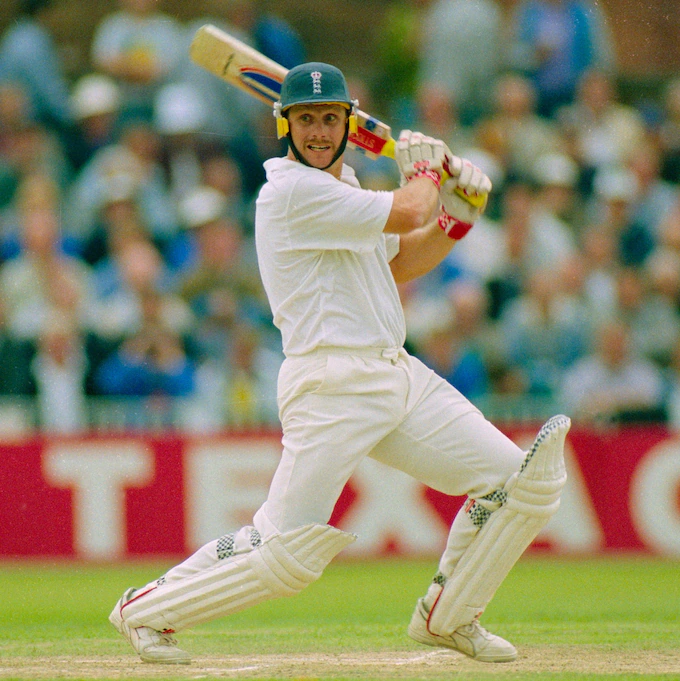
Cricket Mourns the Loss of a Stalwart Hero
The world of cricket is in mourning following the announcement of the death of former England international Robin Smith at the age of 62. Affectionately nicknamed “Judge” by his teammates, Smith was not just a player; he was an unwavering bulwark in England’s middle-order batting lineup, a figure of resilience renowned for his bravery against the most fearsome pace attacks of his era.
Between 1988 and 1996, Robin Smith represented England in 62 Test Matches and 71 One-Day Internationals (ODIs), accumulating over 4,000 runs in total. His impact went far beyond statistics: he brought vital psychological solidity to a team that often endured difficult periods. Born in Durban, South Africa, he also left an indelible mark on domestic cricket, spending over twenty years of his career with Hampshire County Cricket Club. This article delves into Robin Smith’s remarkable career, his resilience against pace, and his sincerity regarding the personal challenges he faced following his retirement.
“The Judge” on the Wicket: A Significant International Career
Robin Smith forged his reputation in an era of cricket often considered one of the most demanding. The 80s and 90s were dominated by terrifying fast-bowling attacks, most notably those from the West Indies. It was precisely in this context that Smith’s exceptional quality shone through.
A Rampart Against Pace
While Smith’s Test Cricket career average of 43.67 is impressive, it is the manner in which he scored his runs that made the biggest impression. He was feared by fast bowlers for his ability to “stand up to them.” His former Hampshire teammate, Kevan James, tearfully recalled him, describing him as England’s best batter at the time, particularly against fast bowlers.
The achievement that best embodies this bravery is his highest Test score: 175 runs. He achieved this in 1994, not against an average team, but against the legendary West Indies attack in Antigua. Facing such a potent force required not only impeccable technique but, above all, extraordinary physical and mental courage. The fact that he managed not only to survive but to dominate is a testament to his status as a true middle-order warrior. He was a player who, in James’s words, “basically gave as good as he got.”
Stalwart Statistics
In total, Robin Smith scored 4,236 runs in Test Cricket, including nine centuries. This total, established during a period when English cricket often struggled for stability, makes him an important figure in the national team’s history. His role as a “bulwark” in the middle order was crucial, as it allowed less experienced or more attacking batsmen to play around him, knowing that Smith was capable of absorbing pressure and building long innings in difficult conditions.
The Lasting Legacy at Hampshire County Cricket Club
Before and during his international career, Robin Smith was the heart and soul of Hampshire County Cricket Club for over two decades. His dedication to the domestic game is another fundamental aspect of his legacy.
Captaincy Years and Trophies
Smith played a major role in several significant successes for Hampshire. He was instrumental in conquering three major trophies in the modern era of domestic cricket:
- Benson & Hedges Cup: Victories in 1988 and 1992.
- NatWest Trophy: Victory in 1991.
Following his success as a player, he took the reins as team captain, holding this role from 1998 to 2002. The captain often reflects the spirit of the team, and under Smith’s leadership, Hampshire embodied the tenacity and commitment he himself showed at the wicket. These years of loyalty and leadership created an unbreakable bond between Smith and the club, making him a true local icon.
Courage in the Face of Post-Career Personal Challenges
While Robin Smith was renowned for his strength against fast bowlers, he demonstrated another form of courage long after hanging up his bat: publicly addressing his mental health and addiction issues.
In interviews he gave in the years following his retirement, and again in the week preceding his death, Smith spoke openly and honestly about his struggles with alcoholism and depression. This honesty is of capital importance, as it helps to break the taboo surrounding mental health, particularly among high-level male athletes.
The image of the robust and invincible athlete on the field often contrasts with the reality of psychological difficulties encountered once the spotlight fades and the routine of professional sport is gone. By sharing his story, Robin Smith inadvertently became a spokesperson for those struggling in silence, transforming his vulnerability into a message of help and awareness. This final battle, waged in the private sphere and shared publicly, testifies to a new kind of resilience.
A Complex and Respected Hero
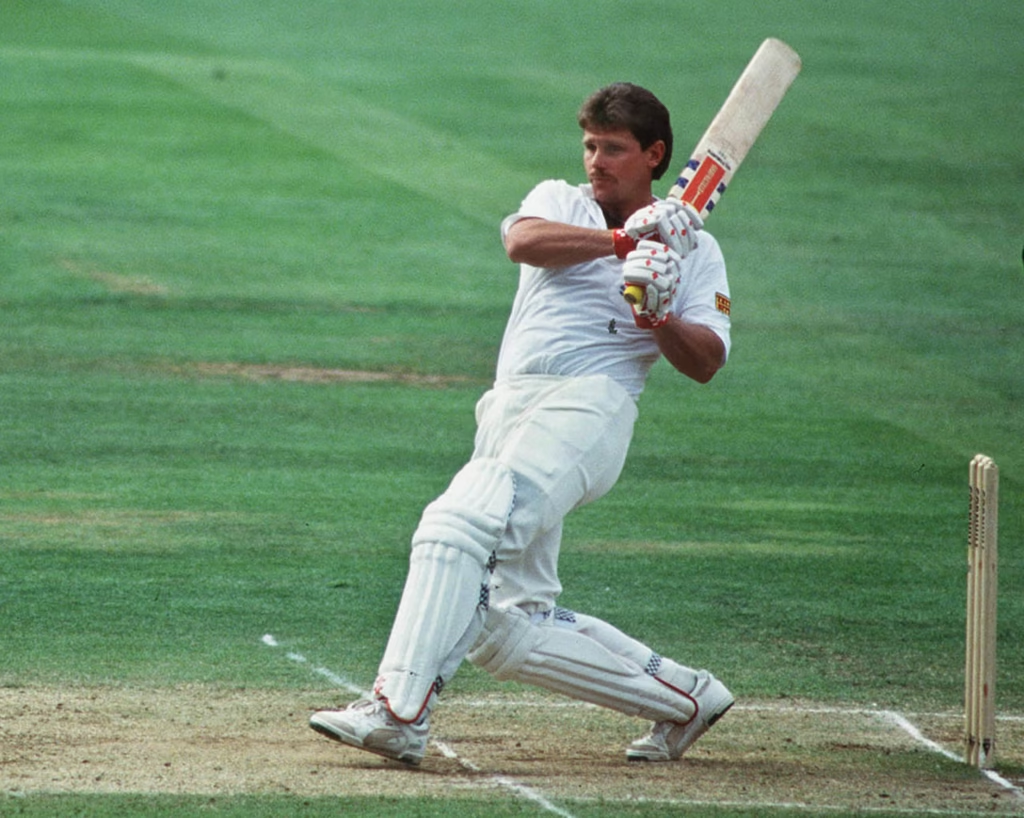
The passing of Robin Smith is a significant loss that resonates beyond the cricket grounds. The emotional tributes from his former teammates, such as Kevan James tearfully announcing the sad news, underscore the human impact he had.
Smith will be remembered as the batsman who never backed down, even when facing the greatest threat in cricket of his time. His high run average against the formidable West Indies attack is an enduring testament to his talent and determination. But beyond his sporting career, his sincerity and courage in facing post-retirement personal issues grant him a human and inspiring dimension.
Robin Smith left his mark on his era with his bravery on the field and his honesty off it. His legacy will continue to inspire not only young batsmen learning to defend against pace but also all those who understand that even the greatest heroes can fight silent battles.
