
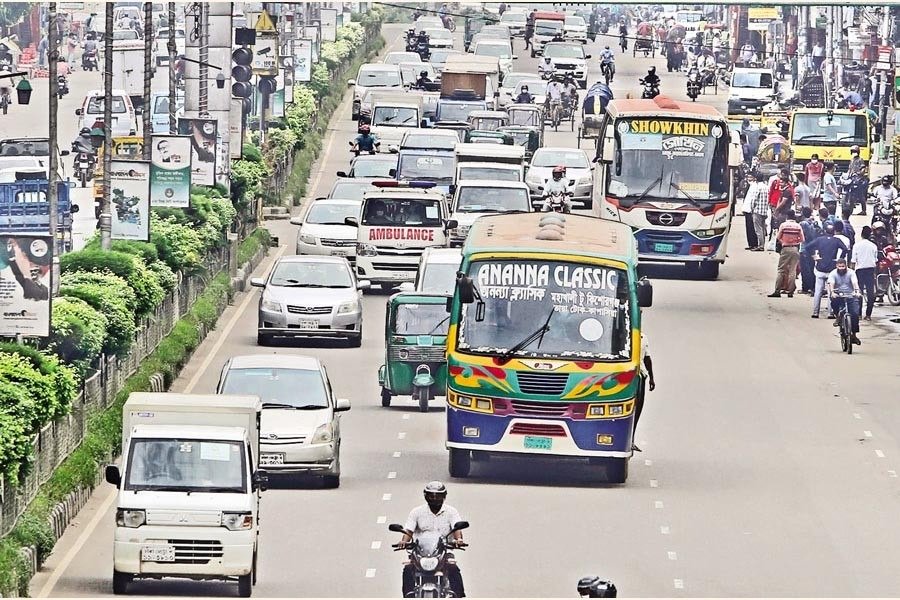
Navigating the Challenges of Strikes and Investment in Major City Transport
Major cities worldwide are defined by their capacity for movement. Whether it’s London’s Tube, Paris’s Métro, or the Bus Rapid Transit (BRT) systems of developing megacities, public transit is the economic and social lifeline of urban life. Yet, this critical infrastructure faces two perpetual and disruptive challenges: service strikes and the constant need for massive investment.
For policymakers and urban planners, the management of these two issues is the ultimate litmus test of metropolitan resilience and competitiveness.
1. The Disruption Tsunami: The Impact of Transport Strikes
Service strikes—whether by rail workers, bus operators, or port staff—are a political act with profound economic consequences, turning essential mobility into volatile uncertainty.
- The Economic Damage: A single day of transport disruption can cost a major city tens of millions of dollars in lost productivity, delayed shipments, and reduced retail and hospitality revenue. For example, widespread blockages severely impact logistics and supply chains, leading to immediate operational surcharges and anticipated revenue loss for businesses.
- Worsened Congestion and Pollution: During a strike, commuters revert en masse to private vehicles. This instantly chokes road networks, severely increasing traffic congestion and leading to a surge in local air pollution from idling cars, directly negating climate and quality-of-life goals.
- The Social Cost: Strikes disproportionately affect essential workers and low-income citizens who rely solely on public transit. They disrupt education, healthcare access, and the critical daily functioning of a city, underscoring the classification of public transport as a “service essentiel” (essential service).
Insight: The core dilemma is balancing the fundamental right to strike with the public’s right to essential mobility. Many governments attempt to mitigate this through minimum service laws, but the economic ripple effect remains substantial.
2. The Investment Trap: Why Funding is a Perpetual Challenge
Modern urban transport requires continuous, staggering investment, often involving multi-decade projects that outlive political cycles. The challenge lies in securing and sustainably managing this capital:
A. The Infrastructure Deficit
Many major cities, particularly in developed nations, rely on century-old subway systems (like New York, London, or Paris) and ageing rail lines. Modernization, expansion, and essential maintenance are incredibly costly, leading to a perpetual infrastructure deficit. In rapidly expanding cities in the developing world, the challenge is building core capacity from scratch to meet explosive population growth.
B. The Challenge of Sustainable Financing
Fare revenue rarely covers the operational and capital costs of public transport. City authorities must find diverse, sustainable funding streams:
- Public-Private Partnerships (PPPs): These are crucial for mobilizing large-scale private investment in complex projects, offering efficiency and risk-sharing. However, they require sophisticated government oversight to ensure public interest is prioritized.
- Earmarked Taxes and Levies: Solutions like local payroll taxes or specific development charges (valorisation foncière) on properties that benefit from new transport links ensure that those who gain from the infrastructure contribute to its funding.
- Congestion Charging and Tolling: Used in cities like London and Singapore, this mechanism simultaneously raises revenue for transit investment and disincentivizes private car use in city centers, effectively funding public transport by penalizing private mobility.
- Green Transition Costs: The necessary shift to electric fleets (buses, trams) and the build-out of new, integrated ticketing technologies (Mobility-as-a-Service, or MaaS) adds further pressure to already strained budgets.
3. Towards Urban Resilience: Strategic Solutions
To mitigate these twin pressures, cities are adopting multi-pronged strategies focused on resilience and better governance:
- Proactive Labor Relations: Moving beyond reactive negotiation to continuous dialogue with transport unions to address issues like staffing, working conditions, and technological change before they escalate into strikes.
- Integrated Urban Planning: Adopting a “Avoid-Shift-Improve” framework.
- Avoid: Zoning and planning to create compact, mixed-use neighborhoods, reducing the need for long commutes.
- Shift: Prioritizing and investing in non-motorized and public transit modes (cycling, walking, rail).
- Improve: Upgrading technology for cleaner, more efficient vehicles (electrification).
- Transparent Project Management: Improving the transparency and cost-benefit analysis of major transport projects (a common concern cited by international bodies like the World Bank) to avoid bad investments and political corruption.
The Verdict:
The operational and financial stability of a city’s transport network is not merely a utility matter; it is a geopolitical issue. Sustained, strategic investment combined with resilient, well-managed labor relations is the only way for major cities to maintain their economic dynamism and provide a high quality of life for their millions of residents.
