
Here is a comprehensive breakdown of the issue, covering the primary sources, impacts, and potential solutions.
The Primary Sources of Water Pollution
Pollution that affects rivers and coastal areas overwhelmingly originates from land-based human activities. These sources can be categorised into point-source (easy to identify) and non-point source (diffuse and hard to trace).
1. Sewage and Wastewater (Point Source & Non-Point Source)
The discharge of domestic and industrial wastewater is a major contributor, particularly through:
- Untreated Sewage: Globally, over 80% of wastewater flows into the environment without adequate treatment, carrying pathogens, nutrients, and organic matter.
- Combined Sewer Overflows (CSOs): In many areas, sewer systems carry both wastewater and stormwater. During heavy rain, these systems overflow directly into rivers and coastlines to prevent backups, releasing a mix of raw sewage and rainwater.
- Pharmaceuticals and Hormones: Residues from medications and hormones flushed down toilets often pass through treatment plants and accumulate in water bodies, affecting aquatic life and potentially the human food chain.
2. Agricultural Runoff (Non-Point Source)
Farming is the leading source of non-point source pollution in many river systems:
- Nutrient Overload (Eutrophication): Excess Nitrates and Phosphates from synthetic fertilisers and animal manure run off fields into rivers. This causes excessive algae growth (algal blooms) which, upon decaying, deplete the water’s oxygen content (hypoxia), creating “dead zones” where fish and other aquatic life cannot survive.
- Pesticides and Herbicides: Chemical sprays wash into waterways, introducing toxic substances that harm aquatic insects, fish, and other organisms.
- Sedimentation: Soil eroded from exposed farm fields washes into rivers, clouding the water and smothering fish spawning and feeding grounds.
3. Plastic and Litter (Land-Based)
Rivers act as arteries, transporting vast quantities of plastic and other debris from inland areas to the sea:11
- Microplastics: The degradation of larger plastic items, the washing of synthetic clothing, and tire wear on roads all produce tiny plastic fragments. These microplastics are ingested by marine life and enter the human food chain.
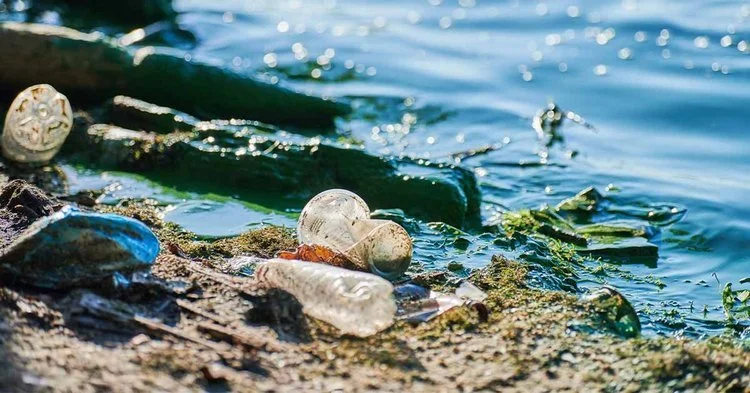
- Macroplastics: Bottles, bags, and packaging often enter waterways through poor waste management, illegal dumping, and wind blowing litter from landfills.
- Ghost Fishing Gear: A significant portion of plastic pollution in the open ocean and coastlines comes from discarded fishing nets, lines, and traps that continue to harm marine animals.
4. Industrial and Mining Waste
- Heavy Metals: Untreated effluent from manufacturing, mining, and old industrial sites introduces toxic heavy metals (like lead, mercury, and cadmium) which are persistent, bioaccumulate in the food chain, and pose serious health risks to humans and animals.
- Chemical Discharges: Industrial processes release a variety of toxic and persistent organic pollutants (POPs) into rivers and estuaries.
Impacts on the Environment and Human Health
The consequences of water pollution are wide-ranging and severe:
| Impact Category | Effect on Rivers & Coastlines | Effect on Humans & Wildlife |
| Ecosystem Destruction | Eutrophication (algal blooms) and subsequent creation of “dead zones” due to oxygen depletion. Loss of sensitive species like coral and shellfish. | Loss of fisheries and seafood resources. Destruction of coastal habitats like mangroves and wetlands. |
| Disease Transmission | Contamination with pathogens (bacteria, viruses) from sewage. High levels of E. coli bacteria are common after sewage events. | Increased risk of waterborne diseases like cholera, typhoid, and hepatitis A, especially from swimming or consuming contaminated shellfish. |
| Contamination of Food Chain | Plastics absorb other toxins in the water. Aquatic life, from plankton to fish, ingest both microplastics and heavy metals. | Bioaccumulation of toxins in fish and shellfish, which are then passed on to humans, posing long-term health risks. |
| Economic Loss | Beaches and rivers may be closed to recreation (swimming, fishing) due to poor water quality. High costs for municipal water treatment to make polluted water safe for drinking. | Reduction in tourism and fishing revenue for coastal and riverside communities. |
Solutions and Mitigation Strategies
Addressing water pollution requires a multi-pronged approach involving policy, infrastructure, and individual behaviour change.
1. Improved Infrastructure and Regulation
- Modern Wastewater Treatment: Investing in advanced wastewater treatment plants that can effectively remove nutrients, pharmaceuticals, and microplastics.
- Addressing CSOs: Separating stormwater and sewage pipes in older urban areas, or building large underground storage tunnels to contain overflows during rain events.
- Stricter Industrial Controls: Enforcing rigorous permits and monitoring systems to prevent the illegal or unsafe discharge of industrial effluent.
2. Sustainable Land Use and Agriculture
- Nutrient Management Plans: Requiring farmers to precisely manage the application of fertilisers and manure to match crop needs, preventing excess runoff.
- Creating Buffer Zones: Establishing vegetated areas (like wetlands and riparian zones) along riverbanks to act as natural filters, soaking up nutrients and sediment before they reach the water.
- Sustainable Farming Practices: Promoting no-till farming to reduce soil erosion and integrating cover crops to keep nutrients locked in the soil.
3. Waste Management and Individual Action
- Extended Producer Responsibility (EPR): Making manufacturers financially responsible for the end-of-life disposal and recycling of their plastic products to incentivise reduced packaging.
- Storm Drain Education: Stencilling drains to remind the public that they flow directly into local waterways, not a treatment plant.
- Responsible Disposal: Encouraging people to properly dispose of hazardous household items (paints, oils, medications) and to never flush non-degradable items (wipes, cotton buds) down the toilet.
