
Major Risks and Challenges
The most immediate and concerning impacts stem from increased weather volatility and extreme events:
- Extreme Weather Events:
- Increased Flooding and Heavy Rain: Warmer, wetter winters and more intense rainfall events lead to waterlogging, soil erosion, and nutrient runoff . This prevents farmers from planting crops like wheat and potatoes during key seasons and damages crops already in the ground.
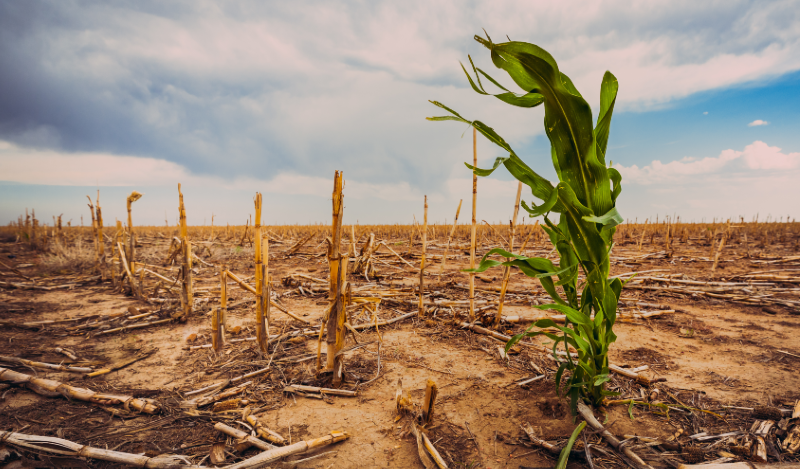
- Droughts and Heatwaves: Hotter, drier summers increase the risk of drought and heat stress, particularly in the productive regions of South East and East Anglia. This reduces crop yields, stresses livestock (especially dairy cattle), and increases the risk of wildfires.
- Impact on Soil Health and Water:
- Heavier rain accelerates soil erosion and organic matter loss, while drought conditions can lead to soil compaction and reduced microbial activity.
- Changing rainfall patterns put pressure on water supplies for irrigation, and in coastal areas, rising sea levels and saltwater intrusion threaten low-lying agricultural land.
- Pests, Diseases, and Invasive Species:
- Warmer temperatures allow new pests, pathogens, and non-native invasive species to establish themselves or become more prevalent, posing a significant and costly threat to both crops and livestock (e.g., increased risk of certain mycotoxins in wet harvests).
- Disruption to Farming Operations: Extreme weather can constrain the ability to carry out crucial farm tasks like tillage, sowing, and harvesting, adding uncertainty to yields and farm planning.
Emerging Opportunities and Adaptation
While the challenges are severe, the changing climate also introduces new possibilities, particularly as adaptation measures are implemented:
| Area of Impact | Opportunities and New Practices |
| New Crops & Longer Seasons | Warmer temperatures extend the growing season and make the UK suitable for new, previously non-viable crops like: Grapes (further expansion of vineyards), Soybeans, Chickpeas, Sunflowers, and even Citrus fruits (in some scenarios). |
| Water Management | Increased focus on resilience through better storage and use of excess winter rainfall, such as building on-farm reservoirs and improving irrigation efficiency. |
| Adaptation Strategies | Farmers are increasingly adopting regenerative and nature-based practices to build resilience: |
| * Improving Soil Health: Practices like no-till farming, cover cropping, and agroforestry help soils better manage heavy rain and drought. | |
| * Crop Diversification: Growing heat- or drought-resilient varieties of existing crops and introducing new, more suitable species. | |
| Livestock Management | Warmer winters can reduce the need for and costs associated with housing and feeding livestock during those months, although this must be balanced with summer heat stress risks. |
| Policy and Innovation | Growing government focus, through programs like the National Adaptation Programme (NAP), encourages investment in research for climate-resilient crops and improved farming technology. |
Wider Implications
The effects on British agriculture have significant downstream implications:
- Food Security and Imports: Unpredictable domestic production leads to greater reliance on imported foods, making the UK’s food supply more vulnerable to climate shocks affecting other countries and to global price volatility.
- Economic Strain: Lower yields, crop failures, and the costs of flood/drought damage, machinery repair, and insurance put considerable financial pressure on farm businesses.
The core challenge for British agriculture is balancing the need to build resilience to extreme weather now with the long-term changes that may require a fundamental shift in land use and the types of crops and livestock produced.
