
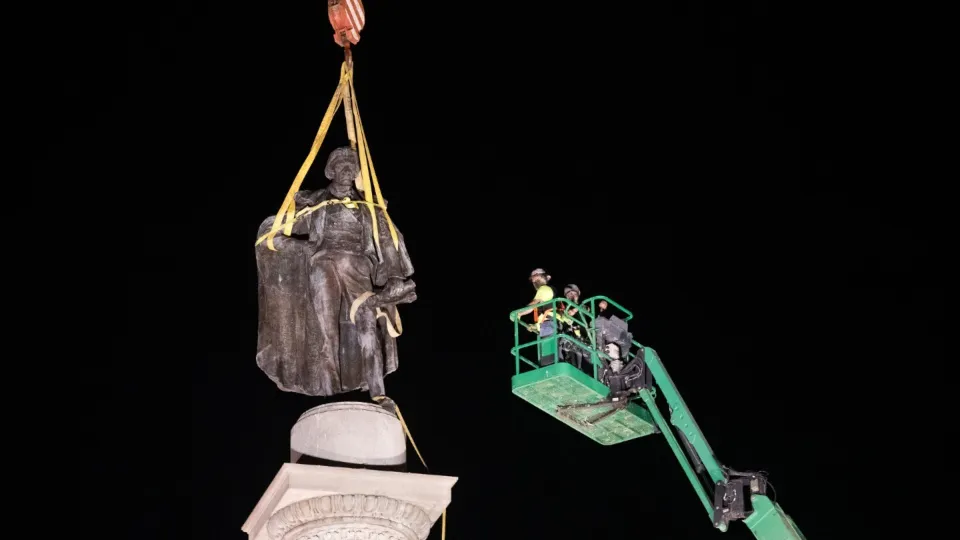
The arguments for and against renaming can be organized around four key themes:
The Core Arguments in the Renaming Debate
1. The Argument for Acknowledging Injustice (Pro-Renaming)
| Key Points | Rationale |
| Rejecting Glorification | Naming a public space after a figure associated with slavery, colonialism, or racial oppression is seen as an act of glorifying harmful actions and legitimizing a legacy of injustice. |
| Decolonization & Reconciliation | Changing names to reflect Indigenous heritage or honor marginalized figures is a visible, symbolic step toward reconciliation and reclaiming the original meanings or identities of the land. |
| Reflecting Evolving Values | Public monuments and names should reflect the contemporary values of equity, inclusion, and social justice, signaling a rejection of past norms like white supremacy or imperialism. |
| Redressing Harm | The presence of these names and symbols can cause psychological harm, discomfort, and offense to communities who were victimized by the actions of the commemorated figure. |
2. The Argument for Preserving History (Anti-Renaming)
| Key Points | Rationale |
| “Erasing” History | Opponents argue that removing names or monuments is an act of censorship or historical revisionism, and removes a vital link to the past—even if it’s an uncomfortable one. |
| “Teachable Moments” | These monuments and names can serve as a “teachable moment” , providing a physical point of discussion to contextualize and learn from historical failures, rather than forgetting them. |
| Cost and Divisiveness | Renaming can be costly (for signage, maps, legal documents) and is often highly divisive, distracting from more pressing social or economic issues. |
| Slippery Slope | Critics fear a “slippery slope” where applying contemporary moral standards to the past will lead to the eventual erasure of all historical figures, as virtually everyone has some flaw when viewed through a modern lens. |
Alternative Solutions and Approaches
Recognizing the intensity of the debate, communities and governments have adopted several approaches beyond simple removal or retention:
- Recontextualization (Adding Plaques): Keeping the monument or name but adding new signage or plaques to provide the full, critical historical context, often detailing the figure’s controversial actions and the contemporary debate around the monument.
- Relocation to Museums: Moving a statue or monument from a public park or square into a museum, where it can be preserved and displayed with detailed, educational, and critical context, thereby shifting it from an object of veneration to an object of historical study.
- Dual Naming/Re-dedication: This approach keeps the original place name while changing the figure it honors. For instance, a county might keep its name but officially re-dedicate it to a modern, less controversial figure with the same surname, such as King County, Washington, which was re-dedicated from William R. King (a pro-slavery senator) to Martin Luther King Jr.
The ongoing debate is a crucial part of how societies negotiate the difference between celebrating heritage and sanitizing trauma. It forces us to ask: What is worthy of public honor, and who gets to make that decision?
To see a specific example of this political debate, watch this video: Trump’s Bold Move: Why Is He Renaming Iconic American Landmarks?. This video discusses President Trump’s executive order aimed at renaming landmarks, illustrating the political motivations often behind these highly charged historical and geographical renamings.
