
Championship Pressure and the Impact of Allegations
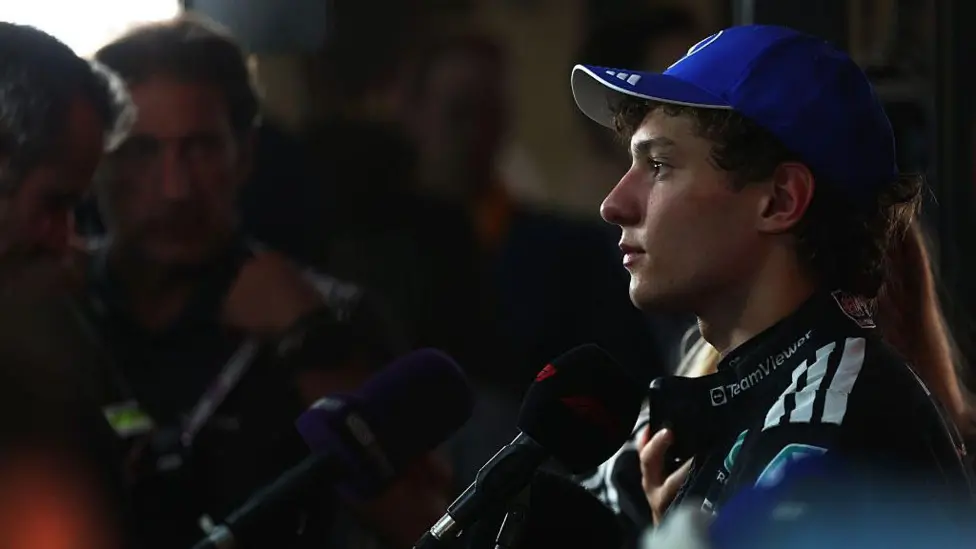
Formula 1 is a sport where every tenth of a second, every maneuver, and every position counts, especially when the championship is about to be decided. The recent Qatar Grand Prix served as the backdrop for an intense finish that not only shook up the standings but also sparked an unexpected controversy centered on the young Mercedes driver, Kimi Antonelli.
The incident in question occurred in the final laps, where Antonelli, while battling fiercely, made an error that allowed Lando Norris (McLaren) to overtake him, thus gaining two crucial points in his tight title race against Max Verstappen and Oscar Piastri. Following the race, “clearly incorrect” allegations were made, suggesting Antonelli had deliberately facilitated the overtake. These accusations, originating notably from the Red Bull team, quickly escalated into a wave of online abuse targeting the young driver. This situation highlights the dangers of social media in high-level sports and how quickly assumptions can lead to serious personal consequences. We will dissect the incident, analyze Red Bull’s reaction, and underscore the urgency of protecting athletes from online toxicity.
The Breaking Point: A Driving Error with Heavy Consequences
The incident involving Kimi Antonelli and Lando Norris took place on the penultimate lap of the Qatar Grand Prix, at a critical moment in the race. Antonelli, a talented and promising driver for the Mercedes team, was fiercely defending his position against the championship contender, Lando Norris.
The On-Track Action: The Key Overtake
While fighting to maintain his position, Antonelli ran wide in a corner—a common driving mistake when under pressure and pushing the car to the limit of grip. This small error was enough to open the door for Lando Norris, who immediately capitalized to take fourth place, gaining two more potentially decisive points ahead of the Abu Dhabi finale. In a neck-and-neck title battle where every point counts to maintain the gap over Piastri and Verstappen, this maneuver had a direct impact on the balance of power. However, what should have remained a simple driving error under pressure was transformed into a controversy by malicious rumors.
The Birth of a Rumor: Allegations of a “Gift”
Immediately after the race, the incident was interpreted by some observers, particularly within the Red Bull team, as potentially suspicious. The allegation, relayed across various platforms and rapidly amplified by social media, was that Antonelli had deliberately let Norris pass.
This rumor was fueled by the fact that Antonelli drives for Mercedes, a historical rival of Red Bull (whose leader is Verstappen), and Norris was in direct competition with Verstappen and Piastri for the title. The implication was that there might have been a “team order” or a tacit arrangement to aid Red Bull’s rival.
The Reaction of a Giant: Red Bull Acknowledges and Regrets
Faced with the speed at which these allegations circulated and the ensuing consequences, the Red Bull Racing team felt compelled to intervene and clarify its position. It is a rare step in motorsport to see a team publicly backtrack on its own assumptions.
The Public Retraction
In an official statement, Red Bull admitted that their initial suggestions were “clearly incorrect.” This retraction is essential. By publicly acknowledging their error in judgment, they sought to dismantle the foundation of the rumor. Analysis of telemetry data and Antonelli’s onboard camera footage, which is accessible to the teams, likely demonstrated that it was indeed a simple error in judgment and not a deliberate action. The fact that the young driver went to such lengths to defend his position proves his will to fight.
The Impact of Online Abuse
Red Bull’s biggest expressed regret was not about the analytical error, but the online abuse that Kimi Antonelli has received. Once the rumor of a “free pass” spread, a wave of virulent, often hateful criticism flooded the driver’s social media accounts.
This is where the incident takes a darker dimension. Cyberbullying has become a toxic reality in professional sports, particularly affecting young athletes. Unfounded accusations launched by influential voices can quickly mobilize thousands of individuals on social media, turning an on-track mistake into a violent personal attack. Red Bull’s expressed regret aims to denounce this culture of toxicity and alleviate the pressure on Antonelli.
The Fragility of Young Talents and the Culture of Doubt
Kimi Antonelli, despite his immense talent, is a young driver proving himself at the highest level. His position at Mercedes already places him under constant scrutiny. This Qatar event highlights the psychological fragility to which these young athletes are exposed.
The Formula 1 environment is fierce. Drivers must not only manage the pressure of physical and mental performance, but they must now contend with the incessant examination of millions of fans online, often armed with incomplete information or emotional bias.
Red Bull’s intervention, even if belated, highlights a growing awareness in the paddock of the responsibility of teams and commentators. In a sport where paranoia and conspiracy theories are commonplace, it is crucial that major players exercise caution before making public accusations, especially when they can have a devastating impact on the targeted individual. The ultimate goal of this series of revelations is to restore Antonelli’s reputation and allow him to focus on his driving before the crucial Abu Dhabi event.
A Reminder of Digital Responsibility
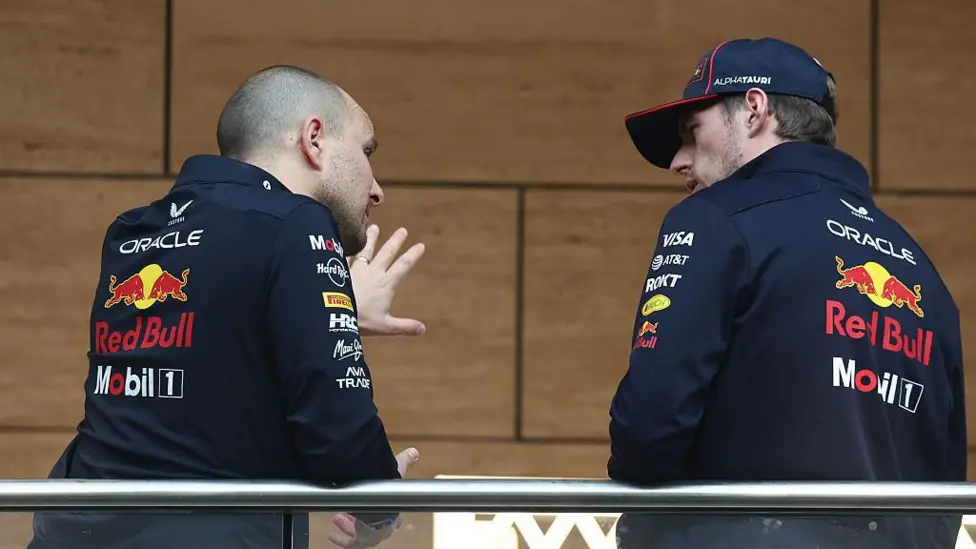
The Kimi Antonelli affair at the Qatar Grand Prix is a powerful reminder of the dangers that athletes face in the digital age. A simple driving error, amplified by unverified allegations emanating from a rival team, escalated into an online personal attack.
Red Bull’s retraction is a step in the right direction, acknowledging not only the factual error but also the harm suffered by the driver. As the season draws to a close with the Abu Dhabi Grand Prix, attention must return to the race itself. For Antonelli, this incident is a difficult ordeal, but the public support from other teams may help him overcome the abuse. The incident must serve as a lesson to the entire F1 community on the need for increased responsibility in public statements and the protection of athletes against the toxicity of social media.
