
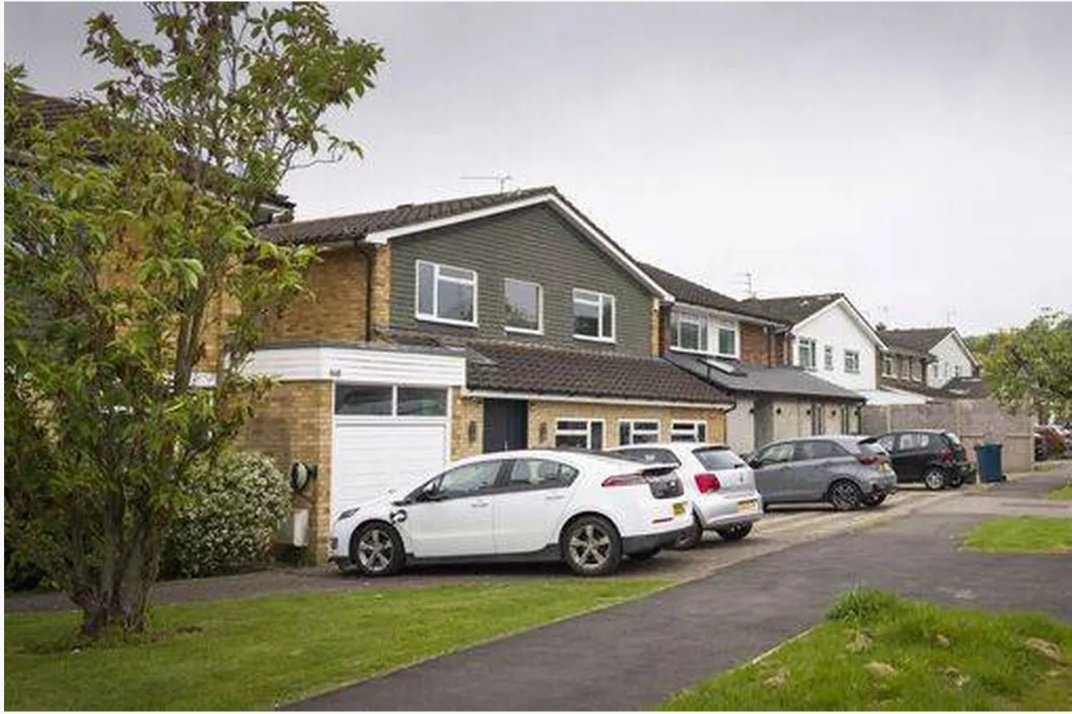
The British urban landscape is undergoing a significant transformation. As part of its efforts to achieve carbon neutrality, the UK government has recently simplified planning rules for homeowners in England. This reform, which directly affects driveway layouts, aims to remove bureaucratic hurdles for installing electric vehicle (EV) charging infrastructure.
1. The End of Planning Permission for EV Chargers
Previously, many homeowners faced a real administrative obstacle course. To install a charging point on a driveway, it was often necessary to apply for “householder planning permission.” This process involved filing fees and waiting periods of several months.
Now, this rule has been scrapped. The government has classified the installation of wall-mounted or pedestal chargers as “permitted development.” This major simplification speeds up the transition to cleaner mobility by making domestic equipment as simple as installing an outdoor light.
2. A Significant Impact on Your Annual Budget
One of the main drivers of this reform is financial incentive. According to official estimates, switching from a “combustion vehicle” (an engine using fossil fuel explosions) to an electric vehicle can generate substantial savings.
- Estimated Savings: Up to £1,100 per year.
- Rapid Infrastructure: By facilitating the installation of “substations” (electrical sub-units that regulate voltage), the government is also reducing overall infrastructure costs for rapid charging hubs.
The cost per kilowatt-hour at home remains significantly lower than the price per litre of fuel at the pump, making the private driveway the “new fuel tank” for Britons.
3. Technical Restrictions to Keep in Mind
Although planning permission is no longer required, freedom is not absolute. To remain legal without specific authorization, the installation must meet precise technical criteria:
- Unit Volume: The charging unit must not exceed 0.2 cubic metres.
- Distance from the Road: The equipment must be located at least two metres from a public highway or road.
- Height: For pedestal models, specific height limits apply to avoid visual clutter.
If your project exceeds these dimensions, a traditional planning application will still be necessary.
4. Leasehold Properties and New Build Developments
Not everyone benefits from this flexibility in the same way. If you live in a “leasehold” property (a system where you own the right to occupy the property for a fixed term but not the land itself), you must obtain the consent of the “freeholder” (the landowner).
Similarly, some new housing developments include “restrictive covenants” (clauses in the title deeds) that prohibit any modification to the exterior appearance of the houses. It is therefore crucial to check your title deeds before drilling into your exterior wall.
