
The waste management landscape in the United Kingdom is set for an unprecedented transformation. Starting March 31, 2026, new legislation titled Simpler Recycling will come into force across England. This reform, described by experts as a “once-in-a-generation revamp,” aims to harmonise recycling practices nationwide to end what is often called the “postcode lottery.”
This initiative is part of a global drive to boost the circular economy (an economic system aimed at eliminating waste and promoting the sustainable use of resources) and achieve an ambitious goal: recycling 65% of municipal waste (trash collected by local authorities from households) by 2035.
Why Such a Change Now?
For years, British residents have had to contend with disparate rules. Depending on where you lived, some plastics were accepted while others ended up in general waste. This lack of consistency not only frustrated citizens but also hindered the progress of recycling rates (the percentage of waste diverted from landfills to be processed into new products).
By standardising collections, the government hopes to reduce contamination in recycling streams and make the task easier for waste management companies (the set of activities related to the treatment, transport, and disposal of refuse). The objective is clear: to make sorting as intuitive at work as it is at home.
The Four Pillars of the New Collection System
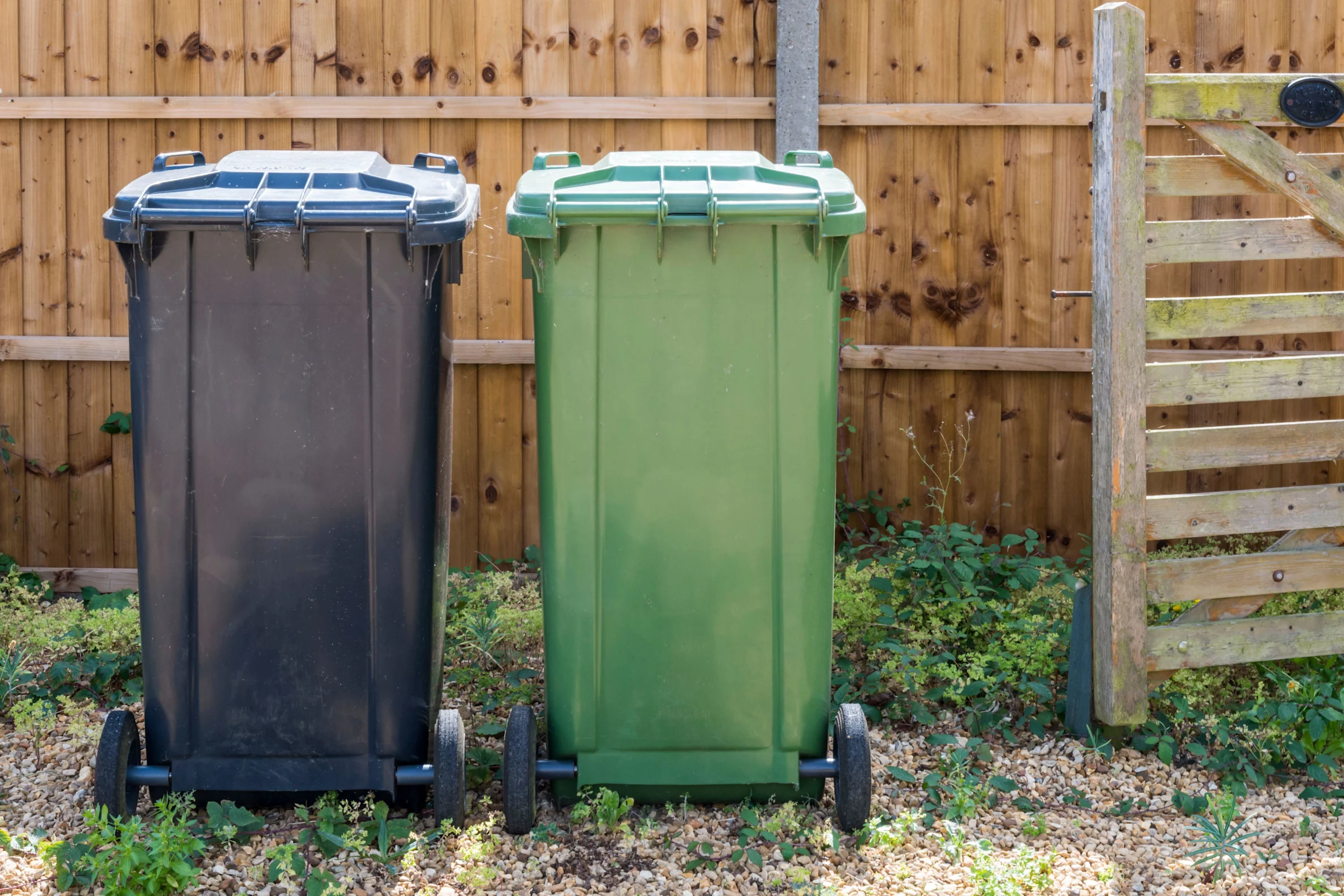
For the majority of households in England, the new default standard will require the use of four distinct containers. Here is how your daily habits will evolve:
1. Food Waste: A Weekly Revolution
One of the most significant changes is the requirement for all local authorities to provide a weekly food waste collection. This includes all plate scrapings, peelings, and even bones. This waste will mostly be treated through anaerobic digestion, a process that converts organic matter into biogas (a renewable energy source) and fertiliser.
2. Paper and Cardboard
To preserve the quality of the fibres and prevent them from being soiled by glass or plastic residue, paper and cardboard must now be separated. This could mean the addition of a blue bag or a specific bin, depending on the configuration chosen by your local council.
3. Dry Recyclable Materials (Plastic, Metal, Glass)
This stream will group together plastic bottles, steel and aluminium tins/cans, and glass jars. Although councils have the flexibility to collect these materials together in one bin, the list of accepted items will now be the same across England. No more confusion over yoghurt pots or food trays: if they are on the national list, they will be collected.
4. Residual Waste
The fourth bin will be reserved for non-recyclable waste destined for landfill or energy-from-waste incineration. The government has specified that the collection of this waste must remain at least fortnightly (once every two weeks) to ensure public hygiene.
Impact on Flats and Businesses
The rollout of Simpler Recycling does not only concern individual houses. Blocks of flats and communal housing must also comply with these rules. For property managers, this often involves reorganising bin stores to accommodate the new streams, particularly compost bins.
Furthermore, businesses and schools already began their transition in 2025. By 2026, everyone, from schoolchildren to office workers, will follow the same protocol. This uniformity is seen as an essential lever for strengthening collective environmental responsibility.
Looking Toward 2027: Integrating Plastic Films
The timeline does not end in 2026. An additional phase is planned for March 31, 2027, when plastic films (such as bread bags, freezer bags, or cling film) must be integrated into kerbside collections. Currently, these materials are one of the main sources of plastic pollution in landfills, as they require more advanced sorting technologies to be recovered.
A Logistical Challenge for a Sustainable Future
While increasing the number of bins may seem cumbersome for some households, the long-term environmental benefits are considerable. By reducing the volume of waste sent to landfill and maximising raw material recovery, the UK is taking a giant leap toward its “Net Zero” goals.
Local authorities will receive financial support to implement these new services, but the success of this reform will rely above all on the active participation of citizens. In 2026, the act of sorting will not only become simpler but, more importantly, much more effective.
