
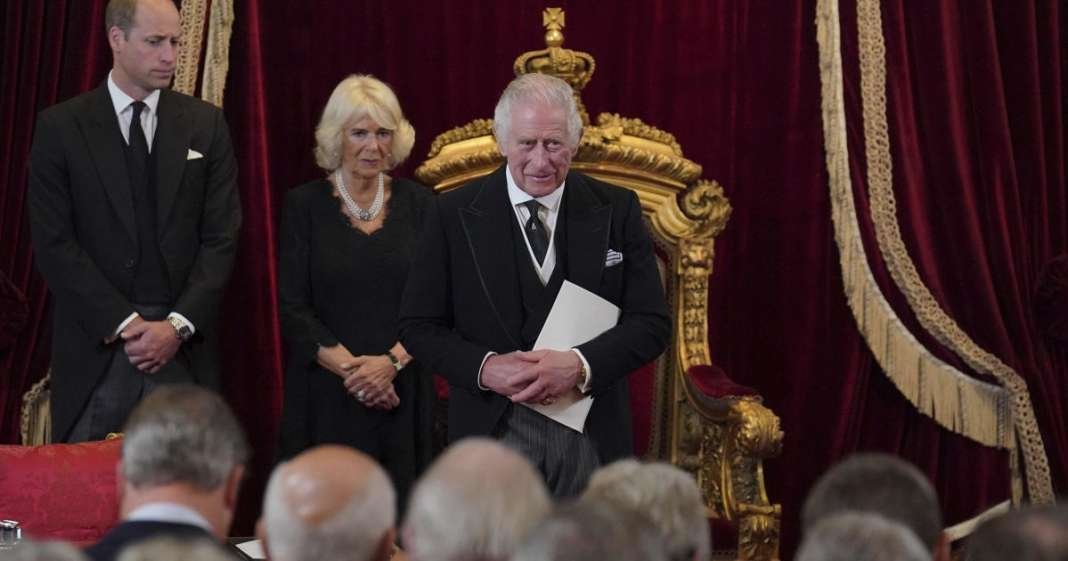
The reign of King Charles III marks a transition for the British Monarchy, moving from the long, stoic era of his mother, Queen Elizabeth II, to one that seeks to blend deep-seated tradition with a clear focus on modernity, sustainability, and efficiency.
His evolution of the Monarchy is best viewed through three key lenses:
1. The ‘Slimmed-Down’ and Efficient Monarchy
A central, though sometimes debated, theme of King Charles III’s vision is a more focused, “slimmed-down” working unit of the Royal Family.
- Focus on Core Royals: The public face of the Monarchy is being intentionally narrowed to the Sovereign, the Queen, the Prince and Princess of Wales, and other senior working royals (like the Duke and Duchess of Edinburgh and the Princess Royal). This contrasts with the broader roster of extended relatives who undertook royal duties in previous generations.
- Reduced Public Cost: The smaller core group is intended to create a more cost-effective and accountable institution, addressing public concerns about the expense of maintaining a large royal family.
- Modernizing Assets: Changes have been considered for the royal estate, such as the potential for Buckingham Palace to be used more as a public events centre to generate income, indicating a new approach to managing the Crown’s expensive portfolio.
2. Evolving the Head of State Role (From Neutrality to Advocacy)
While constitutionally, the monarch remains strictly non-political, King Charles III brings a lifetime of advocacy that signals a shift in focus for the Monarchy’s platform.
| Area of Change | King Charles III’s Approach | Contrast with Elizabeth II |
| Environmentalism | A decades-long and continued champion of climate action, sustainable farming, and conservation. He uses his platform to drive global discussions and corporate responsibility. | Queen Elizabeth II maintained strict neutrality, rarely publicly addressing political or scientific issues. |
| Multi-Faith & Diversity | Explicitly stated his intent to serve as the “Defender of Faiths” (plural) rather than just the Anglican “Defender of the Faith.” His Coronation included representatives and elements from multiple faiths. | While supportive of diversity, Queen Elizabeth II’s role was more formally tied to the Church of England. |
| Constitutional Duties | Upholds the traditional duties of appointing the Prime Minister, opening Parliament, and receiving state papers, but seeks to be more approachable and engaged with the public on walkabouts. | Queen Elizabeth II embodied a more remote, distant, and symbolic figure of stability. |
3. The Future of the Commonwealth Realms
The transition to a new monarch has intensified the debate within the 14 Commonwealth Realms (countries outside the UK where Charles III is head of state, such as Canada and Australia) about their future constitutional status.
- Republican Movement: The Monarchy is facing a growing challenge as several realms consider holding referendums to become republics, following the lead of Barbados.
- Engagement Strategy: The King’s strategy appears to be one of respectful engagement and acknowledging the realms’ autonomy. He has reaffirmed his commitment to the Commonwealth as a voluntary association, using his non-constitutional role as Head of the Commonwealth to promote unity without seeking to override the sovereign decisions of individual nations.
The King’s reign is characterized by a “fearless embrace of progress” layered onto the “abiding love of tradition” that he inherited, ensuring the Monarchy remains relevant in a rapidly changing world.
You can learn more about the long history that led to the current Monarchy in the video, The ENTIRE History of The British Monarchy | 4K Royal Family Documentary. This video provides context on the evolution of the role of the monarch across centuries.

Charles III, the Monarchy transformed into a force of stability and progress.