
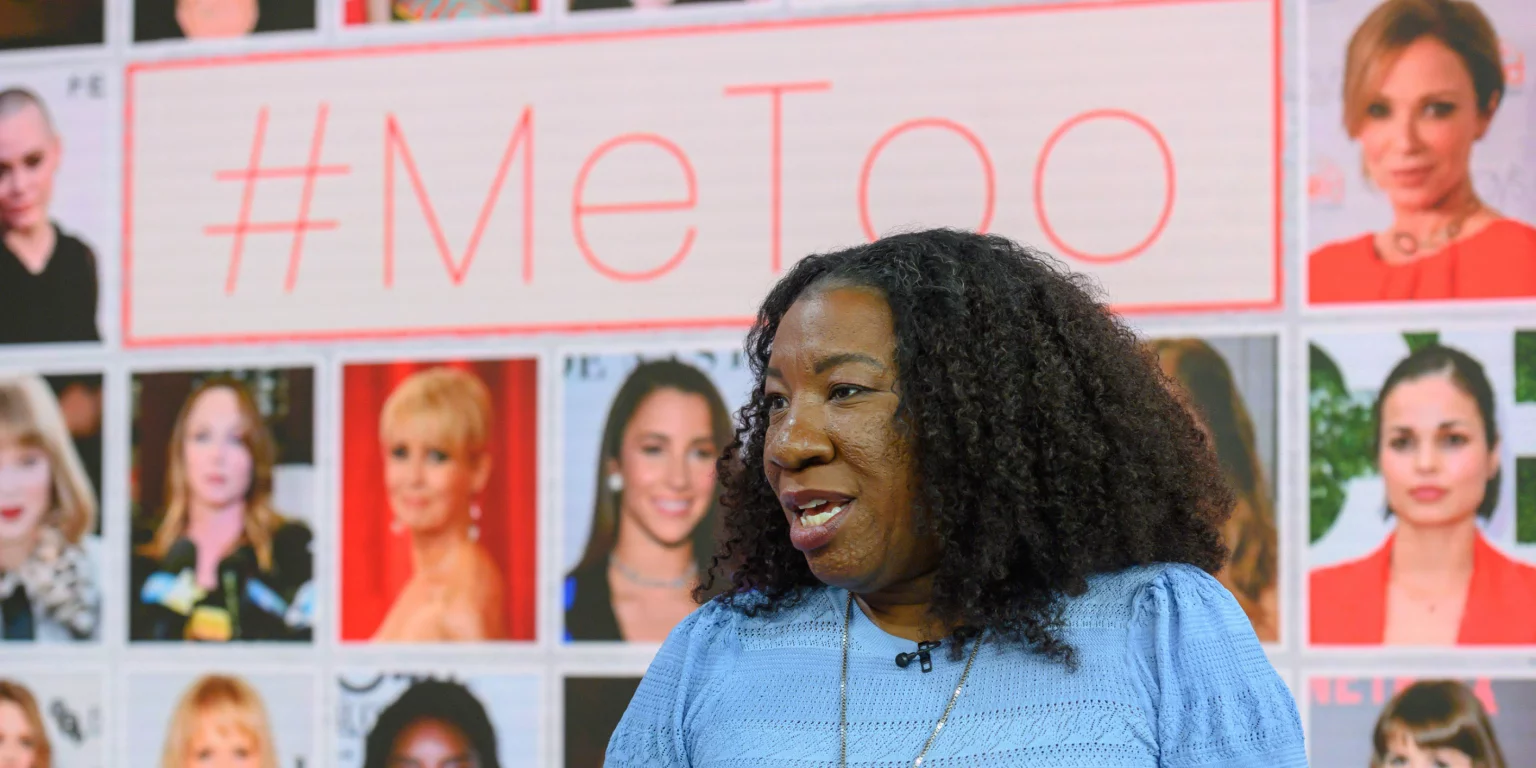
The UK’s Reckoning
The #MeToo movement, ignited by revelations in 2017, quickly crossed the Atlantic, prompting a profound moment of reflection—a “reckoning”—within the United Kingdom. It was more than a viral hashtag; it was the catalyst that forced British institutions, long perceived as bastions of tradition and untouchable hierarchy, to confront endemic issues of sexual misconduct and abuse of power.
This article examines how #MeToo didn’t just encourage people to speak out, but fundamentally challenged and is slowly but surely reshaping the structures of power, policy, and culture in Parliament, corporate life, and the media.
II. Impact on Politics and Westminster
The movement landed with explosive force on the political establishment, dubbed “Pestminster” by the press at the time. The initial flurry of allegations against Members of Parliament and peers revealed a culture of silence, complicity, and impunity, particularly within the historic and often opaque corridors of Westminster.
- Systemic Failures Exposed: #MeToo highlighted that the internal complaints systems, often reliant on political party whips or colleagues, were unfit for purpose and actively shielded abusers.
- A New Regulatory Framework: The most significant structural change was the establishment of an independent process for handling complaints. The UK Parliament now uses a system that takes cases out of the hands of politicians and places them with independent investigators, leading to more transparent and rigorous standards of accountability. This represents a seismic shift from self-regulation to external oversight.
- Culture Shift: While far from perfect, there is now increasing pressure for better training, mandatory codes of conduct for elected officials, and greater representation to challenge the historically male-dominated power dynamic.
III. Transformation of the Corporate World
The ripple effect of #MeToo quickly spread to corporate Britain, prompting a necessary overhaul of workplace policies and culture.
- HR and Compliance Overhaul: Companies across the UK, from the FTSE 100 to SMEs, invested heavily in updating their Human Resources policies. The focus shifted from merely listing rules to fostering a “zero-tolerance” culture. This includes mandatory training on sexual harassment prevention, power dynamics, and tackling unconscious bias.
- Curbing NDAs: One of the movement’s most crucial legislative successes in the UK has been the increased scrutiny of Non-Disclosure Agreements (NDAs). These legal tools were frequently used to silence victims in exchange for financial settlements. Post-#MeToo, there has been legal reform and increased guidance to prevent NDAs from covering up criminal behaviour, ensuring they cannot be used to prevent victims from reporting misconduct to the police or regulatory bodies.
- The Data Gap: Despite the cultural shift, reliable data on the true extent of harassment post-#MeToo remains challenging to gather. However, the UK’s ratification of the International Labour Organization’s Convention 190 (C190) on violence and harassment in the world of work in 2022 signals a formal commitment to tackling the issue at a national policy level.
IV. Media and Entertainment Culture
The British media and culture sectors, ironically often the first to report on global scandals, had their own dark histories exposed.
- Exposing Toxic Workplaces: Several high-profile accusations in broadcasting and newsrooms revealed a toxic culture where seniority and fame protected abusers. The result has been increased journalistic scrutiny of power dynamics within their own industry.
- Safety in Production: In film, television, and theatre, there has been a proactive introduction of new roles, such as Intimacy Coordinators, to manage scenes involving sex or nudity and protect actors from exploitation and misconduct.
- Accountability for the Past: The movement paved the way for a more open and critical look at historical abuses in sectors like the BBC and the arts, proving that time is no longer a shield for powerful figures.
V. Critiques and Limitations of Change
Despite the significant progress, #MeToo’s journey in the UK is incomplete and faces legitimate criticism.
- Tokenism vs. Structural Reform: Critics argue that many institutions have engaged in “tokenism”—implementing visible but superficial changes (like signing pledges) without addressing the deep-rooted, structural patriarchy that perpetuates abuse.
- Justice Gap: A persistent challenge is the significant disparity between the surge in public disclosures and the number of successful prosecutions. Many victims still find the legal and criminal justice system to be a re-traumatising and often unsuccessful avenue for achieving justice. The issue often reverts to a lack of resources, evidence requirements, and a perceived institutional bias.
- Inclusivity and Intersectionality: The dominant #MeToo narrative has often focused on the experiences of white, professional women. There is a necessary ongoing push to ensure that reforms equally benefit those with multiple marginalised identities—such as women of colour, disabled women, and LGBTQ+ individuals—whose voices remain underrepresented in institutional reforms.
The Long Road to Sustainability
The #MeToo movement served as a powerful mirror, forcing the British establishment to look at the entrenched culture of silence and complicity it had nurtured. It has yielded concrete, institutional reforms, particularly in parliamentary accountability and corporate governance (especially regarding NDAs).
However, the true success of this revolution will be measured not by the initial shockwaves, but by the sustainability and integrity of the changes. The work now shifts from disclosure to deep-seated cultural evolution, ensuring that new policies are enforced effectively and that the next generation inherits institutions where power is wielded responsibly, and not as a tool for abuse.

The transformation of the business world is interesting.