
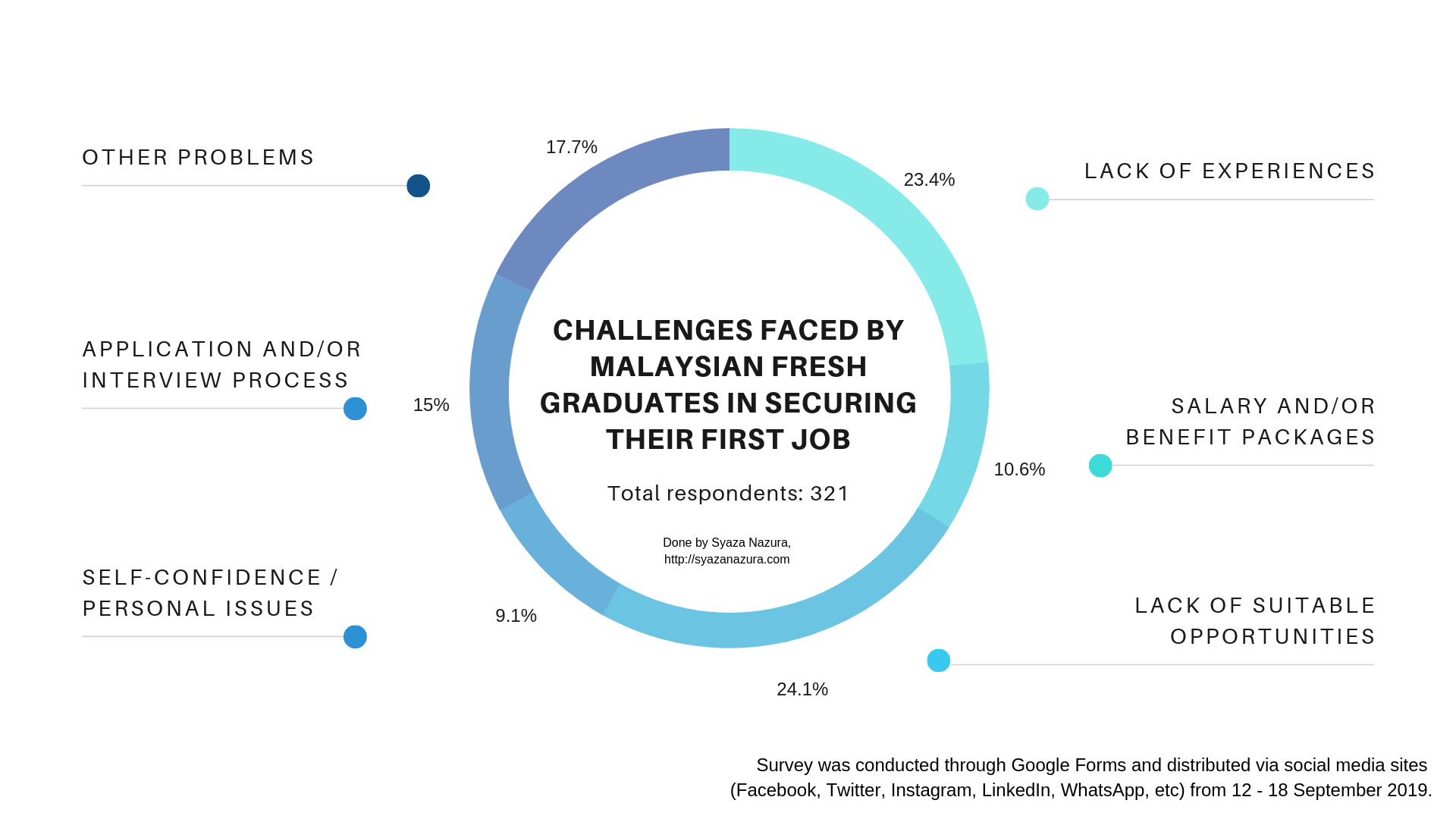
The job market for recent college graduates has become increasingly challenging, moving far beyond traditional hurdles like competition. Today’s graduates are navigating a complex landscape shaped by economic shifts, rapid technological disruption, and fundamental changes in employer expectations.
Here are the primary challenges facing the Class of 2024 and beyond:
1. The Great Disappearance of Entry-Level Roles
The most significant barrier is the erosion of traditional “stepping-stone” jobs.
- The Experience Paradox: Many positions labeled “entry-level” now demand a minimum of 2 to 3 years of prior experience. This creates a Catch-22 for new graduates who need the first job to gain that experience. Employers, cautious due to economic uncertainty, prefer to hire proven, experienced talent over investing in training fresh graduates.
- Reduced Hiring Headcount: Sectors that were once major graduate pipelines, such as Big Tech and Finance, have reduced their recruitment numbers following periods of mass layoffs. This shifts the power dynamic heavily back to the employer.
- Intense Competition: With fewer openings, the sheer volume of applications per job has skyrocketed. Graduates are competing not only with their peers but also with more experienced, recently laid-off workers, making it difficult for resumes to stand out.
2. Generative AI and Automation: The Structural Shift
Artificial Intelligence (AI) is fundamentally restructuring the demand for skills, particularly at the junior level.
- Automation of Foundational Tasks: AI tools are automating many of the routine, administrative, and research tasks (like data drafting, summary generation, and basic coding) that traditionally comprised entry-level training. This means the foundational “learn-by-doing” roles are vanishing.
- Elevated Skills Floor: Companies now expect recent graduates to arrive with an immediate ability to leverage advanced technology. Digital fluency and the capacity to use AI as a productivity tool are becoming prerequisites, rather than advanced skills learned on the job.
- The Focus on Uniquely Human Skills: This shift drives demand for qualities that are difficult to automate: critical thinking, complex problem-solving, creativity, emotional intelligence, and leadership potential.
3. The Persistent Skills Gap
Despite holding degrees, many graduates face a mismatch between their academic preparation and industry needs.
- Lack of Practical Application: While academic knowledge is strong, employers often find graduates lack the practical, project-based skills needed for immediate productivity. A degree proves academic capability, but not always workplace readiness.
- Deficit in Essential Soft Skills: Surveys consistently show that employers feel graduates are underprepared in crucial non-technical areas, particularly communication, resilience, and teamwork. These are the skills that facilitate collaboration in a dynamic work environment.
4. Underemployment and Wage Stagnation
Landing a job does not always translate to a meaningful career start.
- High Rates of Underemployment: A significant percentage of recent college graduates end up in jobs that do not require a bachelor’s degree. This underemployment can initially be a temporary solution for income but often leads to delayed skill acquisition, lower long-term earnings, and greater difficulty pivoting into their desired field.
- Cost of Living Factor: High student debt loads combined with the high cost of living in major cities force graduates to prioritize any paying job. This compromises their ability to hold out for roles that are a better strategic fit for their education and long-term goals.
Navigating the New Reality: Actionable Strategies for Graduates
To overcome these challenges, graduates must adopt an agile and proactive approach:
| Strategy | Description |
| Prioritize Experiential Learning | Internships, co-ops, and project-based work are no longer optional; they are the new minimum requirement for entry-level consideration. They prove competence and build a professional network. |
| Develop a Portfolio | Instead of relying solely on a resume, create a portfolio of demonstrable work (code repositories, design mockups, published articles, data analysis reports) that showcases practical skills. |
| Embrace Non-Linear Paths | Be open to less prestigious initial roles, freelance work, or even working in a growing industry adjacent to your major (e.g., using tech skills in Health Tech). The first job is now a launchpad, not the final destination. |
| Focus on High-Demand Skills | Actively pursue certifications or short courses in areas like AI application, cybersecurity, data visualization, and cloud computing to supplement your degree. |
