
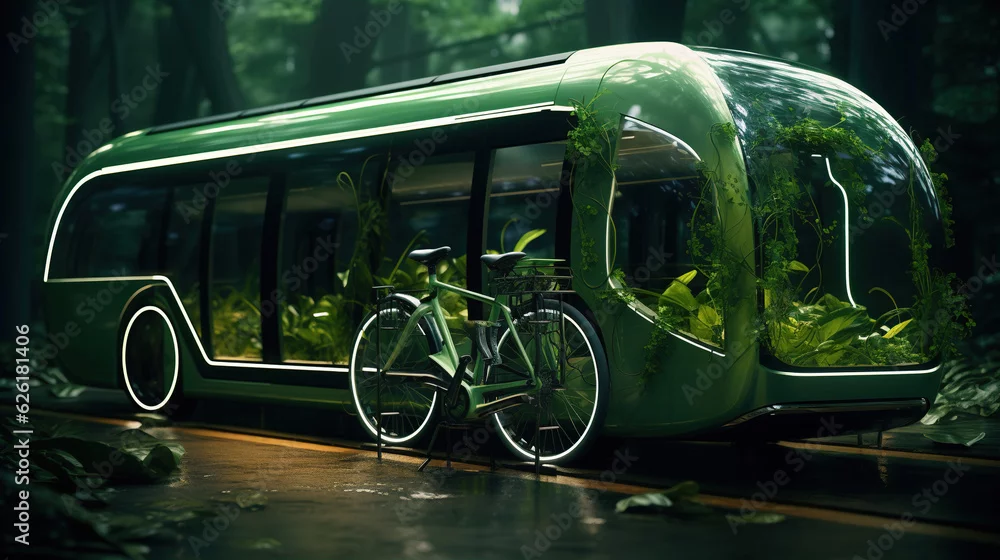
The transition to sustainable mobility is no longer a distant aspiration but a global imperative. As nations grapple with climate change, air pollution, and urban congestion, investment in green transport solutions—from cycling infrastructure to electric vehicles (EVs)—has become a critical battleground. This article explores the multifaceted approaches countries are taking to fund this vital shift, examining the successes, challenges, and future trajectories.
The Urgency: Why Green Transport Funding Matters Now
Decarbonizing the transport sector is paramount to meeting global climate targets. Transport accounts for approximately a quarter of global energy-related CO2 emissions, with road transport being the largest contributor. Beyond climate, green transport initiatives offer immediate benefits:
- Improved Air Quality: Reducing reliance on fossil fuels directly tackles urban air pollution, enhancing public health.
- Reduced Congestion: Investing in active travel (cycling, walking) and efficient public transport eases gridlock in cities.
- Economic Opportunities: The shift fosters innovation, creates green jobs, and reduces dependency on volatile fossil fuel markets.
Funding Pillars: Diverse Approaches to Drive Change
Governments worldwide are deploying a mix of financial mechanisms to accelerate the green transport transition. These strategies typically fall into three main pillars:
1. Direct Subsidies and Incentives for Electric Vehicles
Electric vehicles (EVs) are a cornerstone of green transport, and governments are using various incentives to reduce the upfront cost barrier for consumers and businesses:
- Purchase Grants: Countries like Norway, Germany, and the UK have offered grants (e.g., the UK’s former Plug-in Car Grant) to directly lower the purchase price of new EVs.
- Tax Exemptions: Reduced or eliminated VAT, registration taxes, and road taxes for EVs make them significantly cheaper to own and run. Norway, for example, has famously exempted EVs from nearly all taxes, contributing to their dominant market share.
- Infrastructure Investment: Significant public funds are being directed towards building comprehensive charging networks, including public charging stations, rapid chargers, and grants for home or workplace installations.
- Corporate Fleets: Incentives for businesses to switch their fleets to electric vehicles, often including tax breaks and procurement mandates.
2. Investment in Active Travel Infrastructure: A Healthier Commute
Promoting cycling and walking offers high returns on investment in terms of public health, environmental benefits, and reduced road maintenance costs. Funding in this area focuses on creating safe, accessible, and attractive environments for active travel:
- Dedicated Cycle Lanes: Major cities globally (e.g., Copenhagen, Amsterdam, London, Paris) are heavily investing in segregated cycle paths, often repurposed from road space, to enhance safety and encourage ridership.
- Walking and Pedestrian Zones: Funding for pedestrianization projects, wider pavements, and improved urban design to make walking more appealing and safer.
- Bike Share Schemes: Public funding supports the establishment and expansion of urban bike-sharing programmes, making cycling accessible for short trips without owning a bike.
- Infrastructure Grants: Governments provide local authorities with grants (e.g., the UK’s Active Travel Fund) to develop local cycle networks, improve crossings, and create safer routes to schools.
3. Public Transport Modernization and Integration
While often overlooked in the EV vs. cycling debate, a robust, green public transport system is fundamental to sustainable cities. Funding here is critical for expanding capacity and decarbonization:
- Electrification and Fleet Upgrades: Investment in electric buses, trams, and rail electrification to reduce emissions from public transport fleets.
- Network Expansion: Funding for new metro lines, tram extensions, and bus rapid transit (BRT) systems to improve connectivity and encourage mode shift.
- Integrated Ticketing: Development of seamless, integrated ticketing systems (e.g., contactless payment across all modes) to make public transport more convenient and attractive.
Challenges and the Road Ahead
Despite significant investment, the green transport transition faces considerable hurdles:
- Funding Gaps: The sheer scale of investment required to completely overhaul transport infrastructure is immense, often exceeding current public budgets.
- Public Acceptance and Behaviour Change: While incentives help, shifting ingrained habits of car dependency requires sustained public education, urban redesign, and sometimes, politically unpopular measures (e.g., congestion charges, reduced parking).
- Equity Concerns: Ensuring that green transport initiatives benefit all segments of society, and do not inadvertently create new divides (e.g., unaffordable EVs, gentrification around new transport hubs), is a critical challenge.
- Infrastructure Lag: The rollout of charging infrastructure for EVs, particularly in rural areas or for those without off-street parking, often lags behind EV adoption rates.
A Collective Journey
Funding for green transport is not merely an environmental expenditure; it is an investment in the future of our cities, our health, and our planet. From direct financial incentives for electric vehicles to the fundamental redesign of urban spaces for active travel and the modernization of public transit, the global effort is multifaceted and complex. While the challenges are substantial, the economic, environmental, and social dividends of a green transport system are clear, making continued and strategic investment a non-negotiable priority for nations worldwide.

This one of world’s problem that humans must think to resolve.