
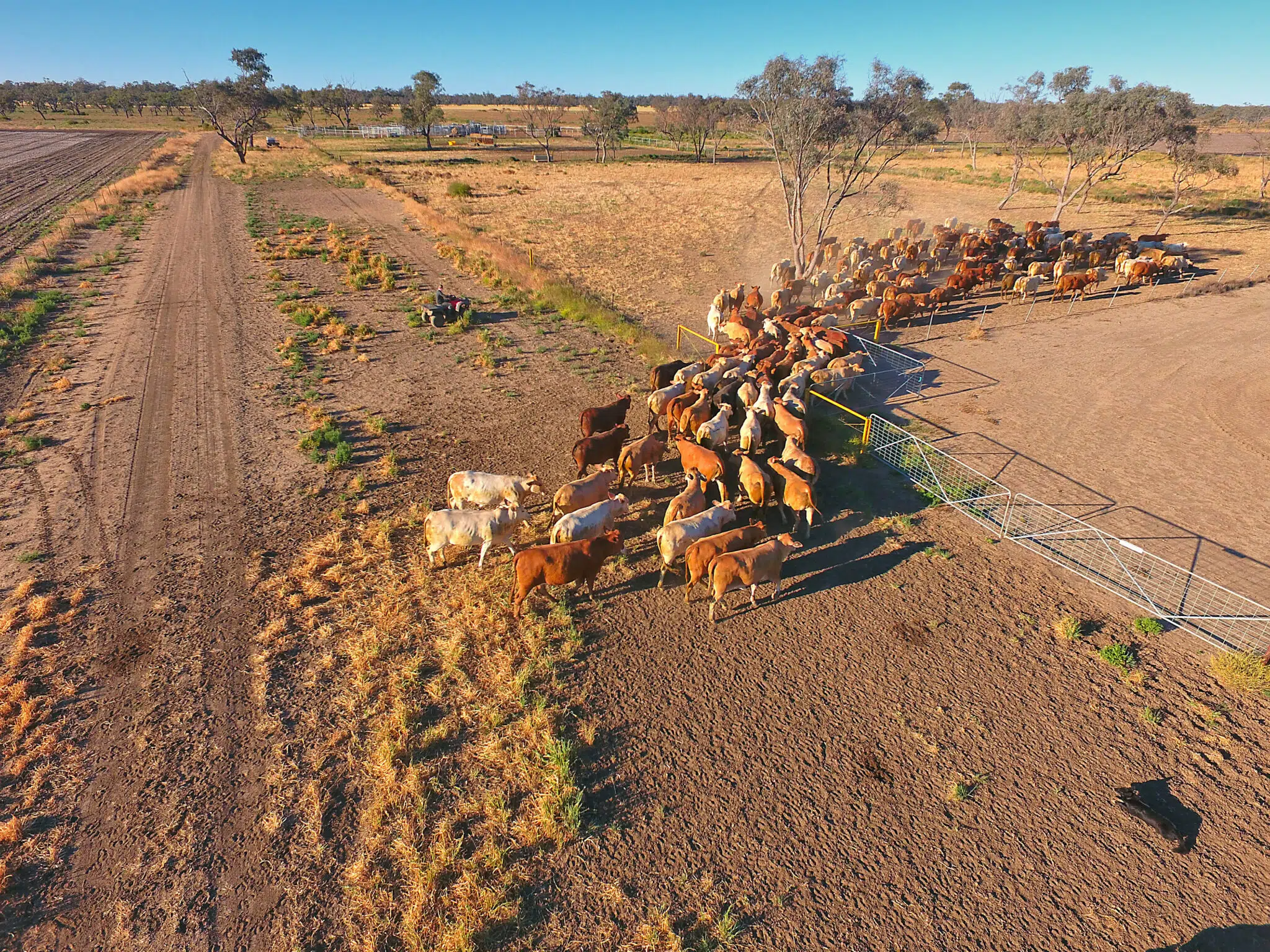
Here is a breakdown of how extreme heat pressures infrastructure and water supplies:
Pressure on Infrastructure
Heat affects physical systems in multiple ways, leading to simultaneous strain and failures across the energy and transport sectors.
| Infrastructure Sector | Impact of Extreme Heat | Consequence (The Strain) |
| Electricity Grid | Reduced Efficiency: High ambient temperatures increase electrical resistance in power lines (Joule heating), meaning less power reaches its destination. | Blackouts/Brownouts: The grid’s overall capacity is reduced precisely when demand (for air conditioning) is at its peak, leading to system failures. |
| Equipment Failure: Transformers and other key components are designed with temperature limits. Excessive heat and inability to dissipate it lead to overheating, damage, and shortened lifespan. | Grid Collapse: Failures in one component (like a substation) can cascade through the system, causing widespread power loss. | |
| Power Generation | Cooling Constraints: Thermal and nuclear power plants rely on cool water (from rivers/lakes) for cooling. High water temperatures make the cooling process less efficient and can force plants to derate (reduce output) or shut down to comply with environmental regulations on discharge temperature. | Supply Shortage: Reduced generation capacity coincides with maximum consumer demand, widening the supply-demand gap. |
| Transportation | Rail: Steel tracks expand dramatically and can buckle or deform (“sun kinks”), requiring speed restrictions or closures to prevent derailments. | Mass Delays & Economic Disruption: Trains run slower or are cancelled, disrupting passenger travel and supply chains. |
| Roads: Asphalt surfaces soften, leading to rutting and melting. Bridge expansion joints can fail or deteriorate quicker. | Safety Hazards: Damage requires costly emergency repairs and creates hazards for drivers. |
Pressure on Water Supplies
Heatwaves are often concurrent with or exacerbate drought conditions, directly impacting water availability and the infrastructure that delivers it.
- 1. Resource Depletion (Drought Amplification):
- Increased Evaporation: High temperatures significantly boost the rate of evaporation from surface water sources like reservoirs, lakes, and rivers, drastically reducing the volume of available drinking water.
- Reduced Soil Moisture: Dry, cracked soil struggles to absorb rain when it eventually falls, leading to less groundwater recharge, which is crucial for long-term water security.
- 2. Surging Demand:
- Water usage for domestic cooling, irrigation for agriculture, and industrial processes skyrockets during heatwaves, directly drawing down reserves and lowering reservoir levels.
- 3. Infrastructure Stress (Pipe Bursts):
- While often associated with cold, pipe bursts also occur in extreme heat. Dry, parched soil shrinks and shifts, removing structural support from underground pipes and putting stress on joints and connectors.
- This shifting, combined with the high pressure from increased usage, significantly raises the risk of water main bursts, leading to mass leaks and supply interruptions. .
- 4. Water Quality Degradation:
- Lower river and lake levels mean less water is available to dilute pollutants. This leads to higher concentrations of toxins, chemicals, and nutrients, promoting the growth of harmful algal blooms that can compromise drinking water safety.
The ultimate risk is a “cascading failure,” where a heat-induced power outage shuts down the pumps needed to treat and move water, turning a water shortage into a complete collapse of vital services.
