
In-Depth Analysis of Labour Shortages in Key UK Sectors
The current labour shortage in the UK is a deep structural challenge, moving beyond simple cyclical unemployment. It is driven by a complex interplay of demographic shifts, post-Brexit migration policy changes, and the lingering after-effects of the pandemic, collectively creating a significant supply-side constraint on the economy.
1. The Macro Drivers of the Supply Crisis
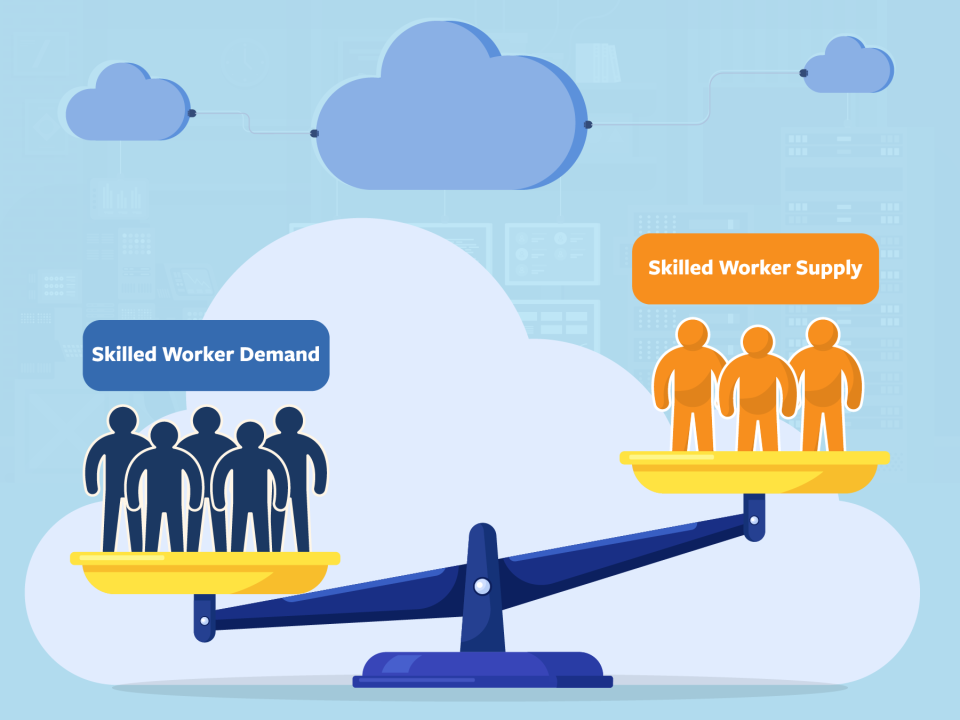
The core issue is a contraction in the effective labour supply, which is not keeping pace with demand.
1.1. The “Great Inactivity”
A critical factor is the increase in Economic Inactivity—people aged 16–64 who are neither working nor seeking work. This trend is unique among G7 nations.
- Early Retirement: A large cohort of older workers (50-64) chose early retirement during or immediately after the pandemic. While some cited lifestyle changes, a significant portion has left the workforce due to health issues.
- Long-Term Sickness: The most alarming trend is the persistent rise in working-age individuals out of the labour force due to long-term illness. This includes both direct impacts like Long-COVID and the broader effect of long NHS waiting lists, making it difficult for people to get the treatment needed to return to work.
- Skills Mismatch: There is a structural disconnect where demand for workers with digital and highly technical skills (like AI development or advanced manufacturing) outpaces supply, while traditional entry-level roles lack suitable applicants.
1.2. Post-Brexit Migration Dynamics
The end of the free movement of people with the EU has profoundly affected specific sectors that historically relied on EU workers for flexible staffing.
- Shrunken EU Labour Pool: The new points-based immigration system, while increasing overall non-EU migration, has sharply reduced the supply of workers for low-to-medium-skilled roles in sectors like hospitality, logistics, and social care.
- Higher Entry Barriers: The system’s salary thresholds and visa requirements make it uneconomical or administratively burdensome for many businesses, particularly SMEs, to recruit for non-graduate roles.
2. Sector-Specific Impacts: Where the Pain is Deepest
The shortages are not evenly distributed; they are most severe in public services and physical infrastructure sectors.
| Sector | Shortage Details & Consequences | Economic / Social Impact |
| Healthcare & Social Care | Massive vacancies for nurses, social care workers, and support staff. The sector relies heavily on recruitment from outside the UK and must consistently add roles to the Shortage Occupation List (SOL). | Social Crisis: Long NHS waiting times; severe constraints on hospital capacity; inability to discharge patients due to lack of social care places. |
| Hospitality (Accommodation & Food) | High turnover, critical shortage of chefs, waiting staff, and kitchen staff. | Reduced Output & Inflation: Businesses cannot operate at full capacity, leading to reduced trading hours and services. Increased labour costs are passed on as higher consumer prices. |
| Construction & Infrastructure | Shortages of key skilled trades (plumbers, bricklayers, electricians, surveyors). | Stalled Projects: Delays in housing, public works, and “levelling up” infrastructure projects, hindering regional growth ambitions. |
| Logistics & Transportation | Continuous deficit of Heavy Goods Vehicle (HGV) drivers and warehouse staff. | Supply Chain Fragility: Increased risk of supply chain disruptions and higher freight costs, contributing to goods inflation. |
| Digital, Tech, and Green Economy | Severe lack of top-tier talent in specialized fields (AI, data science, cybersecurity, Net Zero engineering). | Long-Term Productivity Loss: Inhibits innovation, adoption of productivity-enhancing technology, and the UK’s ability to lead in future-facing industries. |
3. Policy Responses and Future Strategies
The government and businesses are attempting to address the crisis through a dual approach: short-term immigration fixes and long-term domestic investment.
3.1. Short-Term Immigration Tweaks
- Expansion of the SOL: Key roles are regularly added to the Shortage Occupation List, offering easier visa access to foreign workers.
- Sector-Specific Visas: Tailored visa schemes (e.g., Seasonal Workers Visas for agriculture) have been used to address immediate, low-skilled shortages.
- Lowering Salary Thresholds: Efforts to adjust minimum salary requirements for sponsored visas in specific sectors to make overseas recruitment more viable.
3.2. Long-Term Domestic Focus (The “Skills and Activation” Agenda)
- Tackling Inactivity: Policy initiatives are increasingly focused on reducing the inactivity rate by:
- Targeting support for those with mild to moderate health conditions to return to work.
- Enhancing childcare provision to encourage parents (especially mothers) back into employment.
- Reforming the Skills Pipeline:
- Promoting T-Levels (technical qualifications) as a parallel to A-Levels.
- Reforming the Apprenticeship Levy to make it easier for businesses, particularly SMEs, to fund relevant training programs and address acute skills gaps.
- Productivity Investment: Encouraging businesses to invest in automation and technology to reduce reliance on low-skilled labour and boost the output of the existing workforce.
The UK labour market is structurally impaired. While the demand for workers remains high, the pool of available workers has been significantly reduced by health issues and post-Brexit migration policy. Sustainable relief will require not just continued, targeted immigration measures, but substantial, long-term investment in skills, health, and domestic productivity.
