
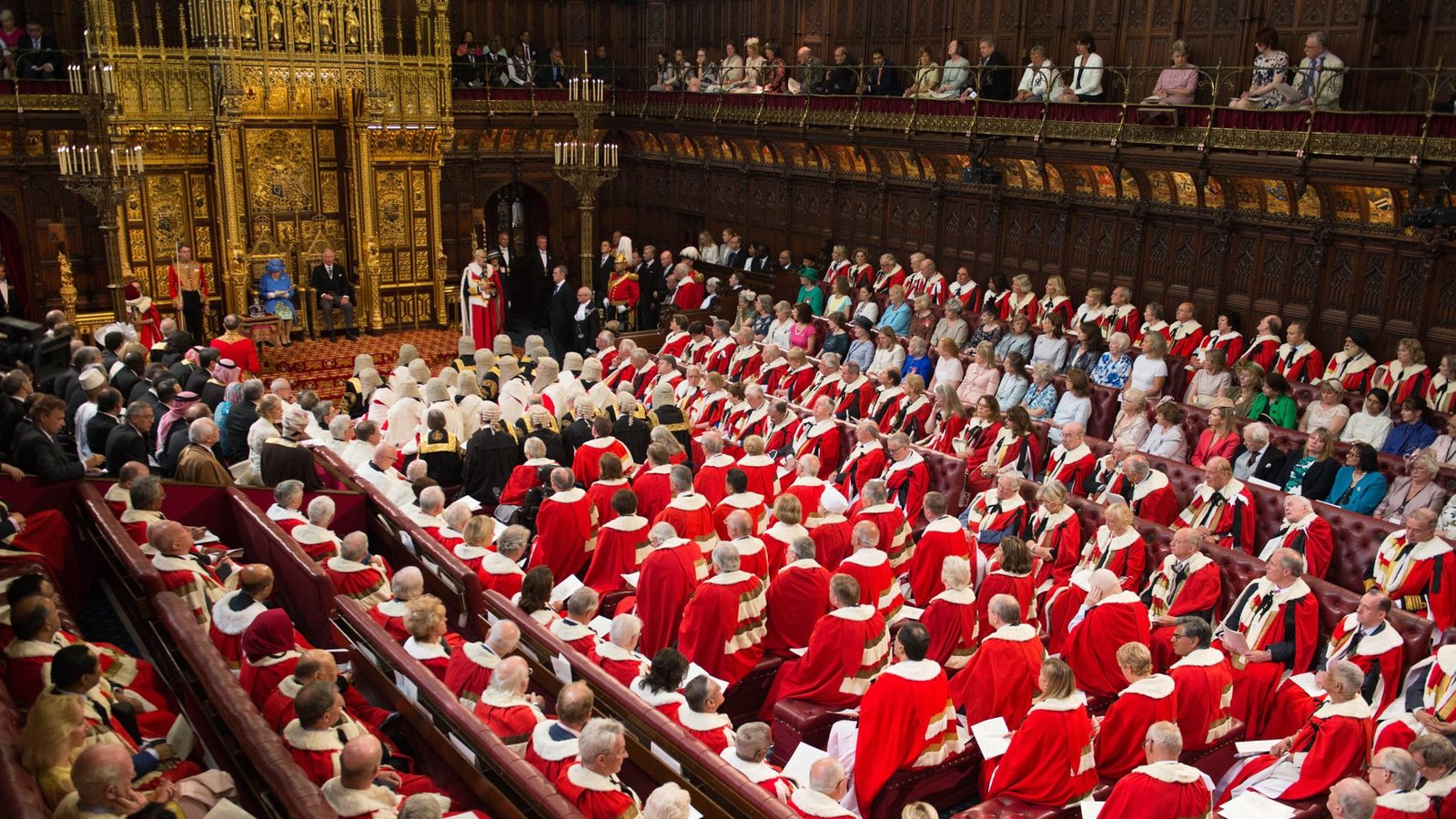
The debate over reforming the House of Lords is a long-standing, cyclical issue in British politics, often framed as a choice between democratic necessity and political distraction. There are compelling arguments on both sides, depending on whether the priority is constitutional purity or effective governance.
I. The Argument for Necessity (The Case for Reform)
Proponents argue that reform is essential for maintaining the legitimacy and democratic integrity of the UK’s legislative process.
- Democratic Deficit: The most fundamental argument is the lack of democratic accountability. The majority of members are appointed, not elected, or hold seats by hereditary right (though heavily restricted). This grants unelected individuals significant power to scrutinize, amend, and delay legislation passed by the democratically elected House of Commons.
- Size and Cost: The Lords is often criticized as being too large (often exceeding 800 members), making it one of the largest legislative chambers in the world. This size is seen as inefficient and unnecessarily expensive for the taxpayer, with members claiming attendance and travel allowances.
- Patronage and Appointments: The appointment system is frequently seen as a mechanism for political patronage, where Prime Ministers reward donors, loyal supporters, or retired politicians with lifetime peerages. This undermines the chamber’s perceived independence and credibility.
- Unbalanced Representation: The chamber lacks proper geographic and demographic representation, with certain regions and professions being heavily overrepresented compared to the general population.
II. The Argument for Distraction (The Case Against Major Reform)
Opponents caution that while the current structure is imperfect, attempts at radical reform are costly, time-consuming, and risk undermining the Lords’ crucial function.
- Effective Scrutiny: The Lords, as currently constituted, is often praised for its expert, non-partisan scrutiny of complex legislation. Members are appointed based on distinction in various fields (law, science, medicine, the arts), bringing expertise that elected politicians often lack. This scrutiny function is seen as vital for catching technical errors and improving the quality of laws.
- Political Gridlock: Any attempt to move to a fully or partially elected chamber would inevitably lead to questions of legitimacy and power struggles. An elected House of Lords might view itself as having a mandate equal to or greater than the Commons, leading to constitutional gridlock and governmental instability.
- Political Energy Drain: Implementing major constitutional change is an enormous undertaking that consumes significant parliamentary time and resources. Critics argue this energy would be better spent addressing immediate public concerns, such as the economy, the NHS, and education—hence, reform is a distraction from more urgent policy goals.
- Independence from the Electoral Cycle: Because members are not dependent on the next election, they can take a longer-term view of legislation and act as a necessary check on populist or short-sighted policies driven solely by electoral cycles.
III. Current Trends and Outlook
In recent political discourse, the debate has shifted away from fundamental reform (such as making the chamber entirely elected) towards incremental fixes aimed at reducing the size and curbing the worst excesses of patronage.
Measures often proposed include:
- Imposing fixed terms for new appointments.
- Establishing an independent appointments system with strict quotas.
- Introducing a mandatory mechanism for retiring peers to control the chamber’s size.
In conclusion, while the democratic deficit makes a moral case for necessity, the political reality—especially given the current economic and social pressures—often treats radical House of Lords reform as a distraction that consumes time and risks disrupting the current, albeit imperfect, system of checks and balances. The debate remains a core tension point in UK constitutional politics.
