
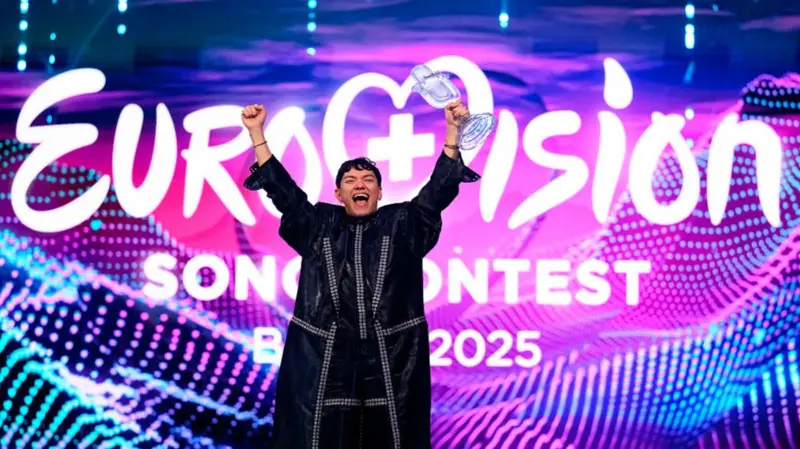
Eurovision at the Heart of Geopolitical Tensions
The Eurovision Song Contest, often celebrated as an event of European cultural unity, finds itself plunged into unprecedented geopolitical controversy. Four countries – Ireland, the Netherlands, Slovenia, and Spain – have announced they will boycott the 2026 edition of the contest, following the European Broadcasting Union’s (EBU) decision to allow Israel to compete.
This wave of withdrawals occurred immediately after the EBU, the contest organizer, confirmed it would not hold a vote on excluding Israel, despite urgent calls from several national broadcasters to do so. Israel’s decision to compete amid an ongoing conflict and allegations of interference during the previous edition has turned the contest’s 70th anniversary, scheduled to be held in Vienna, into a political battleground.
The EBU’s Decision and Neutrality Reforms
The EBU’s position has been clear: the body chose not to yield to pressure aiming to exclude Israel, emphasizing its commitment to the contest’s neutrality.
In a statement, the EBU indicated that its members had shown “clear support for reforms to reinforce trust and protect [the] neutrality” of the competition. These reforms notably aim to discourage governments and third parties from disproportionately promoting songs to sway voters.
Measures to Reinforce Trust
Among the changes announced by the EBU is the reintroduction and expansion of a professional jury during the semi-finals. The goal is to ensure that Eurovision remains a neutral cultural event, protected from attempts at political promotion of songs to influence votes.
The Reasons for the Boycott: Humanitarian Crisis and Allegations of Interference
The four national broadcasters justified their withdrawal with both humanitarian and ethical concerns, targeting Israel’s conduct.
The Tragedy in Gaza
The most widely cited motive is the catastrophic humanitarian situation in the Gaza Strip.
- Ireland (RTE): The Irish broadcaster specifically cited “the appalling loss of lives in Gaza and humanitarian crisis” as the reason for its boycott.
- Slovenia: The Slovenian national broadcaster made a poignant statement, indicating that its decision was made “on behalf of the 20,000 children who died in Gaza.”
Opponents of Israel’s participation openly criticize its conduct in the conflict, which has resulted in the deaths of at least 70,125 people, according to the figures cited.
Allegations of Political Interference
The broadcasters’ concerns are not limited to the conflict but also address the integrity of the event itself.
- Netherlands (AVROTROS): The Dutch broadcaster asserted that “under the current circumstances, participation cannot be reconciled with the public values that are fundamental to our organisation.” AVROTROS also accused Israel of “proven interference” in last year’s contest and noted its “serious violation of press freedom” during the Gaza war.
- Spain (RTVE): Alfonso Morales, Secretary-General of RTVE, stated that “The situation in Gaza, despite the ceasefire and the approval of the peace process, and the use of the contest for political goals by Israel, make it increasingly difficult to keep Eurovision a neutral cultural event.”
European Divisions: Germany vs. Boycotters
The boycott announcement highlighted the deep divisions among EBU member states regarding how to handle Israel’s participation.
While Ireland, the Netherlands, Slovenia, and Spain are withdrawing, other nations have taken an opposing stance. Germany, for example, had stated before the EBU’s decision that it would not participate in the contest if Israel were excluded.
- German Position: German Culture Minister Wolfram Weimer asserted that “Israel belongs in the Eurovision Song Contest.”
This divergence underscores the challenge of maintaining a unified cultural platform in the face of differing political and humanitarian imperatives.
Israel’s Reaction
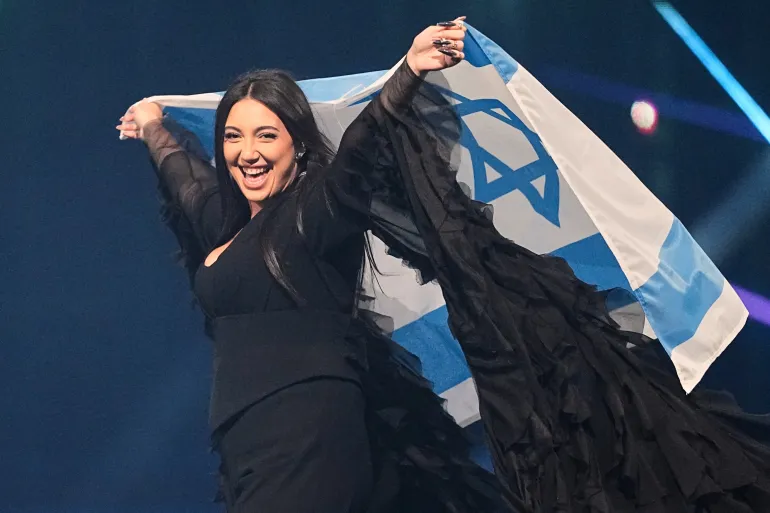
On the Israeli side, the EBU’s decision was welcomed with satisfaction. Israeli President Isaac Herzog hailed the announcement, arguing that his country, which claims to face a global smear campaign, “deserves to be represented on every stage around the world.”
Nevertheless, the boycott by four major countries marks a critical moment in Eurovision’s history. The withdrawal of these nations, some of which are historically fervent participants, could prompt other countries to reconsider their involvement and potentially lead to a weakening of the event in 2026. The contest, scheduled for its 70th edition in Vienna, will have to contend with these notable absences.
