
A Top-of-the-Table Clash in the Sky Bet Championship
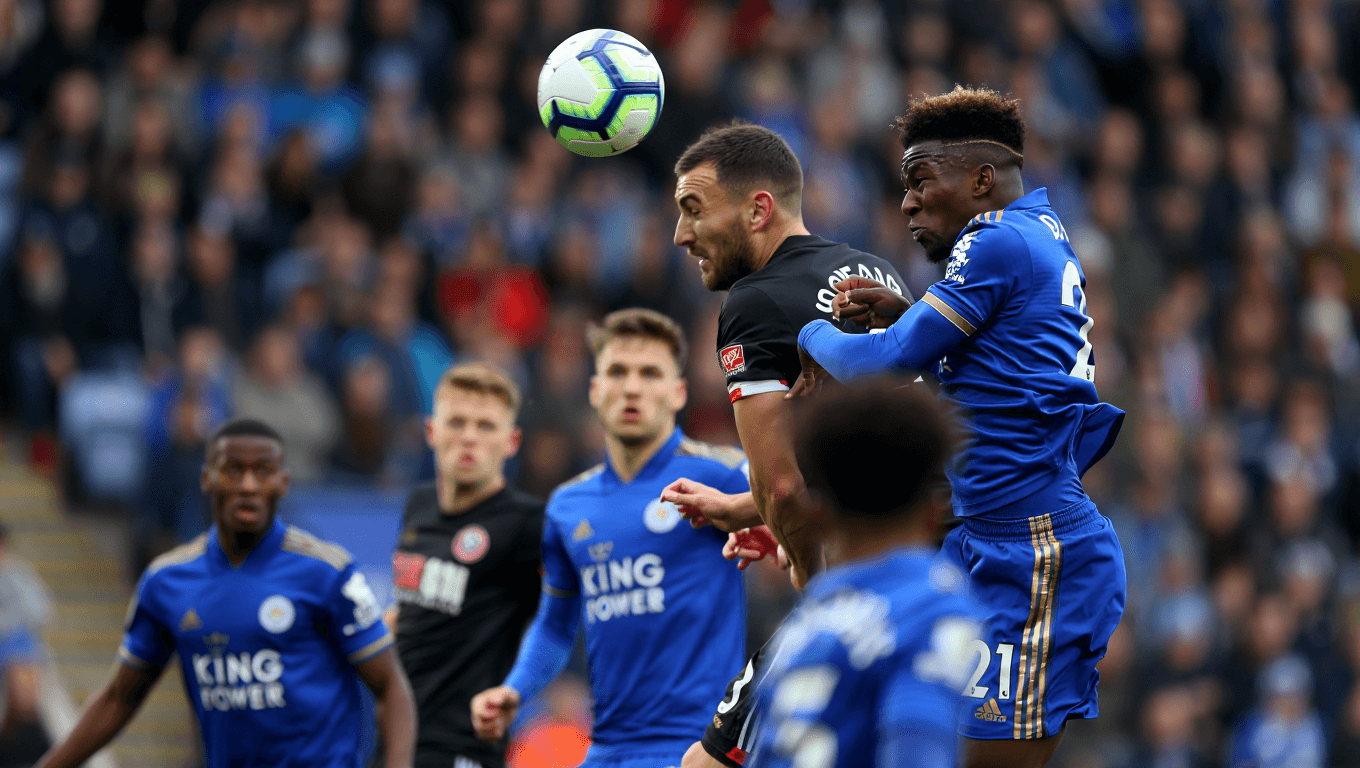
The King Power Stadium was the setting for a highly anticipated clash in the Sky Bet Championship (England’s second tier), pitting Leicester City against Sheffield United (nicknamed the Blades). This 12:30 PM kick-off was far from inconsequential, forming part of the fierce race for promotion to the Premier League. For both teams, every point is vital, especially against a direct rival.
The stakes were twofold for the Blades, led by experienced tactician Chris Wilder. Following an encouraging midweek victory against Portsmouth, the team needed to confirm their return to form and their solidity away from home, particularly against a Leicester side renowned for its squad depth and recent Premier League experience. The announcement of the Sheffield United lineup revealed two major changes, signaling Wilder’s intention to adapt his tactics and manage player fatigue. What were the crucial choices made by the manager, and how could these adjustments influence the pace and outcome of such a tactical duel? Let’s dive into the analysis of the lineups and the stakes of this decisive encounter.
Chris Wilder’s Tactical Choices: Managing Effort and Optimizing Attack
Championship football is a demanding marathon, with frequent matches that severely test the squad. Player management by the coach is paramount, and the two changes made by Chris Wilder compared to the victorious midweek team against Portsmouth are proof of this.
Key Changes to the Starting XI
Wilder opted for two strategic replacements in his starting lineup, aiming to inject freshness and a different offensive dynamic.
- The Offensive Choice: The most notable change is in attack, where Tyrese Campbell returns to the starting team in place of Patrick Bamford. Campbell, known for his speed and ability to create danger with his runs, offers a different threat from Bamford, who is often more focused on target play and presence in the box. This choice suggests a desire by Sheffield United to play quick counter-attacking football or to exploit space behind the Leicester defense.
- The Defensive/Wing Adjustment: In defense or on the flank, Sam McCallum makes way for Harrison Burrows. This substitution, which could indicate management of McCallum’s physical load or a need for a different profile on the wing (more offensive or defensive depending on Burrows’ exact role), is crucial. In a typical Wilder system (often a 3-5-2 or 5-3-2), the role of the wing-backs is essential for offensive support and defensive cover.
- Tahith Chong’s Return: Although he starts on the bench, the return of Tahith Chong after a knee injury is excellent news. Chong represents a luxury option, capable of injecting creativity and speed in the second half, once the opponents’ fatigue begins to show.
Deciphering the Blades’ Starting XI
Sheffield United’s lineup (Cooper, Tanganga, Cannon, O’Hare, Brooks, Burrows, Mee, Campbell, Seriki, Peck, Riedewald) shows a balanced team of young talents and experienced players.
- The Defensive Base: The likely presence of Tanganga (a centre-back on loan or with solid experience) and Mee (a key player for defensive experience) suggests a solid block designed to counter Leicester’s fast attack.
- The Midfield Engine: Players like O’Hare and Peck will need to work tirelessly to win the midfield battle against Leicester’s metronome, Harry Winks. Riedewald’s ability to orchestrate play from a deeper position will be vital.
- Squad Depth: The bench (featuring McCallum, Hamer, Ings, Soumaré, Chong, Bamford) is particularly rich and indicates Wilder’s capacity to radically change the course of the match, either by reinforcing the attack (Bamford, Ings) or adding control to midfield (Hamer, Soumaré).
The Opponent: Leicester City’s Strength and Experience
Leicester City, playing at home at the King Power Stadium, are a formidable opponent. Their squad is composed of many players with Premier League experience, positioning them as favourites for immediate promotion.
A Premier League-Caliber Lineup
Leicester’s starting eleven (Begović, Faes, James, Fatawu, Winks, Mavididi, De Cordova-Reid, Daka, Ricardo, Vestergaard, L. Thomas) demonstrates high individual quality at every level.
- Solid Defence: The experience of Asmir Begović in goal, associated with centre-backs like Faes and Vestergaard, provides a defensive stature that is hard to bypass. Full-backs like Ricardo (Pereira, most likely) and Luke Thomas are essential for offensive width.
- The Midfield Brain: Harry Winks’s presence in midfield is Leicester’s focal point. His ability to dictate the tempo and distribute the ball is crucial to the team’s style of play, and the match will largely be won by limiting his influence.
- The Offensive Threat: Fast and technical forwards like Mavididi, Fatawu, and Daka represent a constant threat, capable of punishing the slightest defensive mistake. The duel between Daka (a potential goalscorer) and the Blades’ centre-backs will be key.
The Stakes for Leicester: Confirming at Home
For Leicester, playing at home carries extra pressure. As promotion favourites, they must win against direct rivals to avoid dropping valuable points, which could fuel the rise of teams like Sheffield United.
- Deep Bench: Leicester’s bench is also impressive (Ayew, Choudhury, Skipp, Soumaré) and can provide quality and experienced changes if the match becomes bogged down. The ability of Wilder’s team to maintain the intensity and not buckle under the quality of the substitutes will be a determining factor.
The Championship Context: Pace, Dynamics, and Stakes
This match is more than just a football duel; it takes place within an extremely competitive and unpredictable league context.
The Demanding Pace of the Sky Bet Championship
The Championship is known for its relentless pace, physical intensity, and lack of rest.
- Managing Sequences: Both teams are coming off a busy week. Wilder’s choices to bring in players like Campbell and Burrows aim to ensure Sheffield United can sustain the physical challenge for 90 minutes. In this type of match, the team that commits the fewest fatigue-induced errors often wins.
- The “First Half” Factor: A 12:30 PM kick-off can also influence the match, requiring immediate concentration. The Blades must avoid a slow start that would allow Leicester to gain a moral and physical advantage.
The Attacking Gamble vs. Control
The tactical confrontation between the two teams promises to be fascinating.
- Leicester (Control): Leicester, with Winks and Vestergaard, will likely seek to dominate possession and control the pace, relying on the wide runs of Mavididi and Fatawu.
- Sheffield United (Reaction): The Blades, with Campbell in attack, might adopt a more reactive approach, focusing on defensive solidity and exploiting fast transitions. Their success will depend on their midfielders’ ability to intercept Winks’ passes and quickly launch Campbell into space.
A Decisive Challenge for Promotion
The Leicester City vs Sheffield United match in the Sky Bet Championship is a true test of character and tactics for both teams. Chris Wilder’s adjustments, aimed at managing fatigue and introducing new attacking threats with Tyrese Campbell and Harrison Burrows, attest to a meticulous approach to confronting Leicester’s experience and squad depth.
The result (a 0-2 victory for the Blades) is a spectacular confirmation of Wilder’s choices. Not only did Sheffield United gain three crucial points in their promotion race, but this victory, achieved without Bamford and McCallum in the starting eleven, proves the strength of the bench and the soundness of the manager’s tactical decisions. This performance sends a strong signal to the league: the Blades are ready to fight until the very end for their place in the Premier League.
