
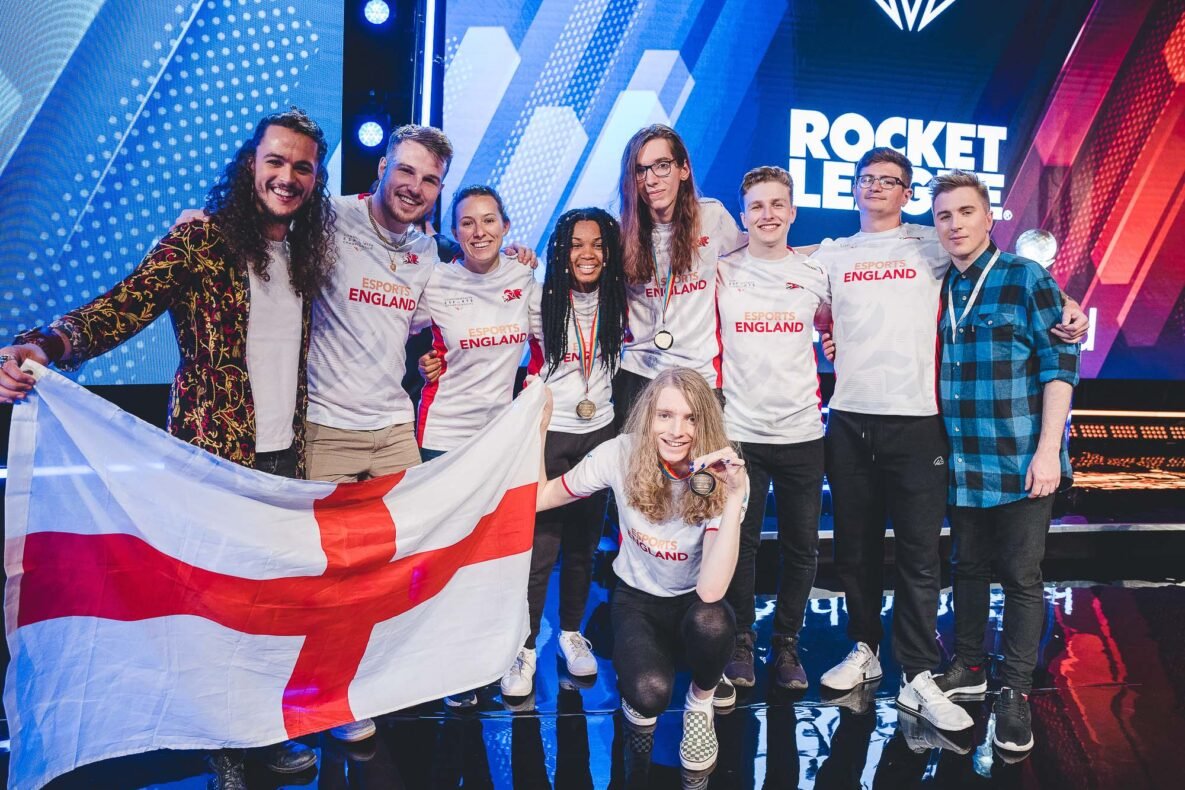
How Esports is Becoming a Major Cultural and Economic Phenomenon in the United Kingdom
The Quiet Explosion
If you still picture video gaming as a solitary hobby confined to a bedroom, you are several million viewers behind the curve. Competitive gaming, or esports, is no longer a fringe pastime; it is a global entertainment powerhouse, selling out arenas, attracting major corporate sponsorships, and rivalling traditional sports in audience reach.
The shift in perception is particularly dramatic in the United Kingdom. While often overshadowed by giants in Asia and North America, the UK is rapidly carving out its own identity—and its own substantial piece of the global pie.
Esports is defined as organised, multiplayer video game competition, often involving professional players, teams, and live broadcasts. For years, the UK was seen mainly as a market for gaming consumption. Today, however, it is actively cultivating an ecosystem for performance, education, and innovation.
The UK is transitioning from a passive esports audience to an active hub. This article will explore the rapid economic growth, the influential role of Generation Z, the key players building the infrastructure, and the regulatory challenges that lie ahead for Britain’s fastest-growing digital sport.
II. The Economy Behind the Game: A Rapidly Growing Market
The UK esports market has demonstrated robust growth, moving from an estimated $69 million in 2022 and projected to reach over $300 million by the end of the decade, according to various industry forecasts. This growth is powered by a diverse array of revenue streams that mirror traditional sports:
- Sponsorship and Advertising: Major non-endemic brands (outside the gaming world) are entering the space, drawn by the young, tech-savvy, and highly engaged audience—primarily Generation Z.
- Media Rights and Streaming: While major events are often broadcast online, the value of streaming rights and exclusive content deals is escalating.
- Merchandise and Ticketing: As fan culture strengthens, sales of team merchandise and tickets for live arena events contribute significantly to revenue. A notable trend is the increasing revenue generated through esports betting, which some estimates suggest could account for up to 60% of the industry’s total revenue by 2026.
British Teams and Investment: The Guild Esports Case
The UK has seen the emergence of several high-profile esports organisations. The most prominent example is Guild Esports. Co-owned by football legend David Beckham, Guild was notably the first esports company to be listed on the London Stock Exchange (LSE). While the financial journey for many esports organisations, including Guild, has been challenging—sometimes involving significant losses or even acquisitions by foreign companies—their public presence marked a critical step in legitimizing UK esports investment on the global stage.
III. Culture and Infrastructure: Building the Future
The economic activity is only half the story; the UK is actively building the infrastructure required to nurture talent and host world-class events.
A National Home for Esports: The NEPC
A landmark development is the National Esports Performance Campus (NEPC), located in Sunderland. This multi-million-pound investment by the British Esports Federation aims to be a centre of excellence for the industry.
- Facilities: The 45,000 sq. ft. multi-site venue includes a dedicated esports arena, modern classrooms, performance training rooms, and on-site accommodation.
- Vision: The NEPC is more than an event venue; it is positioned as a catalyst for regional growth in the North East, providing a physical hub for training, education, and innovation, and a long-term goal for the UK to become a global leader in the sector within the next decade.
The Educational Revolution
Perhaps the most unique aspect of the UK’s approach is its integration of esports into formal education. Seeing the competitive gaming industry as a massive source of digital and creative jobs, institutions have launched specialised programs:
- Dedicated Degrees: UK universities, including the University of Sunderland, the University of Suffolk, and the University of Chichester, now offer specialised degree courses such as BA (Hons) Esports or International Esports Business.
- Skills Development: These courses focus not just on gameplay, but on the wide range of related careers: event management, broadcast production, data analysis, sports psychology, and coaching.
- Student Competitions: The British Esports Student Champs provides structured competitive pathways for students aged 12+ in schools and colleges, fostering a competitive culture in a safe and monitored environment.
IV. Challenges and the Need for Regulation
As the sector matures, the UK must navigate complex regulatory waters to ensure its sustainable growth.
Legal Status and Player Welfare
Unlike traditional sports, esports lacks unified governing legislation. This creates legal ambiguities in several key areas:
- Player Contracts: Professional contracts often involve global entities and require specialist legal oversight, particularly concerning player welfare, income stability, and visa requirements.
- Health and Integrity: The British Esports Federation plays a crucial role in establishing codes of conduct, promoting ethical play, and addressing player mental health, nutrition, and physical well-being—all vital components in the high-pressure environment of professional gaming.
Gambling and Fair Play
The increasing convergence of esports and betting necessitates stringent oversight. The UK Gambling Commission (UKGC) monitors this area to prevent match-fixing and ensure responsible gambling, especially given the young demographics involved in the fandom. Clear guidelines are essential to maintain the integrity of the competitions.
Beyond the Screen
The UK esports scene is in a critical phase of transformation. Fueled by a committed Generation Z, supported by institutional investments like the NEPC, and guided by organisations committed to setting professional standards, the sector is ready to move past its initial growing pains.
Esports in the UK is no longer just about the games played on a screen; it is about building a new digital-era economy, transforming education, and establishing the nation as a true competitor in the global world of competitive gaming.

E-sports in the UK will give local youth a chance and also great popularity.
I learned something new today, thanks for this post.
I love the way you present your ideas. This was a pleasure to read!
The idea that has been developed is interesting.
Very insightful content. Your explanations are clear and easy to follow. Well done!
I love the way you write