
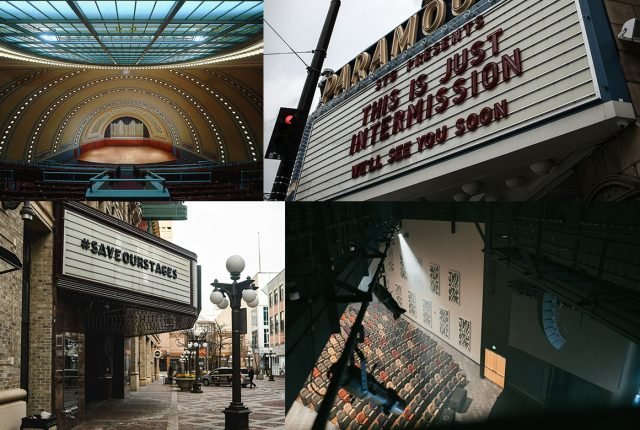
The impact and subsequent recovery have been defined by three major trends: a severe financial shock, a massive digital pivot, and the emergence of new, hybrid business models.
1. Initial Shock and Financial Impact
- Precipitous Decline in Visitors: The crisis caused a sudden and substantial impact, with international arrivals plummeting globally. Major art museums saw an average decrease in visitation of around 73.6% in 2020. Since international tourism accounts for up to 75% of visitors at the world’s largest museums, revenues fell dramatically.
- Theatrical Closures: Live events, including theater, were heavily affected by social distancing and gathering restrictions, leading to widespread closures, cancellations, and significant job losses across the creative sector.
- Slow Recovery: Even post-lockdown, a full return to 2019 visitation levels is taking time. While domestic tourism saw a quicker rebound, the return of key international clientele (e.g., Asian tourists) has been uneven, meaning the sector’s full economic recovery may take years.
2. The Acceleration of Digital Transformation
The pandemic served as a major impetus for digital engagement and forced institutions to become “hybrid.”
- Virtual Expansion: Museums and theaters dramatically increased their digital offerings, including virtual field trips, online exhibitions, and recorded performances. This shift accelerated a trend already in place (known as “imposed service innovation”).
- Increased Accessibility: Digital programs successfully broadened the reach of institutions to include distant, homebound, or physically restricted audiences. This increased accessibility came with new challenges, such as competing for attention in an already saturated online content market.
- New Revenue Streams: Post-pandemic strategies involve monetizing digital content through virtual subscriptions, unique online experiences (like escape games), and selling digital stories, which are seen as crucial for financial resilience.
3. Post-Pandemic Cultural Strategy (The New Model)
Cultural institutions are moving away from a model solely dependent on ticket sales and mass tourism to one focused on diversification and community.
- Focus on Local Audiences: A strong trend is the effort to deepen connections with local communities. Museums are prioritizing programs aimed at local residents (e.g., loyalty and membership programs) to create a stable base of repeat visitors and to better anchor the institution in its territory, making it less vulnerable to global travel shocks.
- Hybrid Cultural Spaces: Museums are transforming into “living spaces” by diversifying their programming beyond collections to include live events. This involves building “bridges between the performing arts and heritage,” with museums hosting theater, dance, and music performances to attract new and diverse audiences.
- Sustainable and Resilient Tourism: The crisis has highlighted the need for more sustainable tourism models. Efforts are focused on better managing tourist flows (often through new technologies), promoting travel to alternative zones, and ensuring that cultural tourism reinforces the local economy and cultural identity of destinations.

Interesting and well-detailed topic.
Great job!