
Top Culinary Trends in London and Beyond
1. Global Flavors and Lesser-Known Cuisines
London continues to be a melting pot, and diners are seeking out cuisines beyond the usual suspects.
- Korean Cuisine’s Mainstream Moment: Beyond BBQ, ingredients like gochujang and kimchi are fully integrated into British dining, appearing in major supermarkets and fusion dishes.
- The Rise of Filipino: Filipino food is gaining significant traction, with restaurants serving elevated and intimate takes on dishes like Kinilaw (Filipino ceviche) and other regional specialities.
- “Flavors Less Traveled”: There is a growing appetite for authentic and regional dishes from:
- South and East Asia: Exploring regional variations from Vietnam and an increased interest in the nuanced spices of Sri Lankan cuisine.
- Southern US: Cajun, Creole, and Soul Food are appealing for their hearty, comforting nature.
- Mediterranean & Balkan: Greek, Turkish, Argentinian, and the comforting dishes of Balkan cooking (like burek) are becoming more common.
2. Nostalgia, Comfort, and Elevation
In challenging times, diners are turning to comfort, but with a gourmet twist.
- Elevated Comfort Food: Classic British dishes like shepherd’s pie, fish finger sandwiches, and treacle pudding are being reimagined with premium, locally sourced ingredients and refined techniques.
- Supercharged Sandwiches & Bowls: The humble sandwich is being upgraded with artisanal breads (focaccia, sourdough) and global, inventive fillings. The “bowl” concept is also evolving beyond simple salads into complex, globally-inspired, high-quality meals.
- Regional British Cuisine: There’s a renewed interest in exploring the comforting traditions of Scottish, Welsh, and Irish cuisine—dishes like Welsh rarebit, colcannon, and stovies are appealing for their hearty, traditional feel.
3. The Power of “Functional” Ingredients
Health and wellness remain a key driver, shifting the focus to ingredients that offer tangible benefits.
- The Pistachio Craze: This has exploded online and offline, appearing in everything from lattes and hot chocolate to croissants and elaborate desserts (partially driven by the viral “Dubai chocolate bar”).
- Functional Fungi: Mushrooms like Lion’s Mane and Reishi are moving beyond meat substitutes to become key ingredients in coffees, broths, and other functional foods for their cognitive and health benefits.
- Friendly Fibre and Gut Health: Ingredients rich in fibre—like beans, pulses, nuts, and seeds—are being actively highlighted on menus and in products to appeal to consumers focused on digestive wellness.
- Clean Label & Low-UPF: Consumers are increasingly seeking products with minimal, recognizable ingredients and avoiding Ultra-Processed Foods (UPFs).
4. Sustainability and Dining Experience
The ethical and sensory aspects of dining are becoming just as important as the food itself.
- Proactive Practices: Sustainability is no longer a buzzword; it’s a movement. This includes:
- Using would-be wasted ingredients (e.g., surplus produce).
- Sourcing from farms practicing regenerative agriculture.
- Focus on ethical sourcing and transparency (farm-to-table).
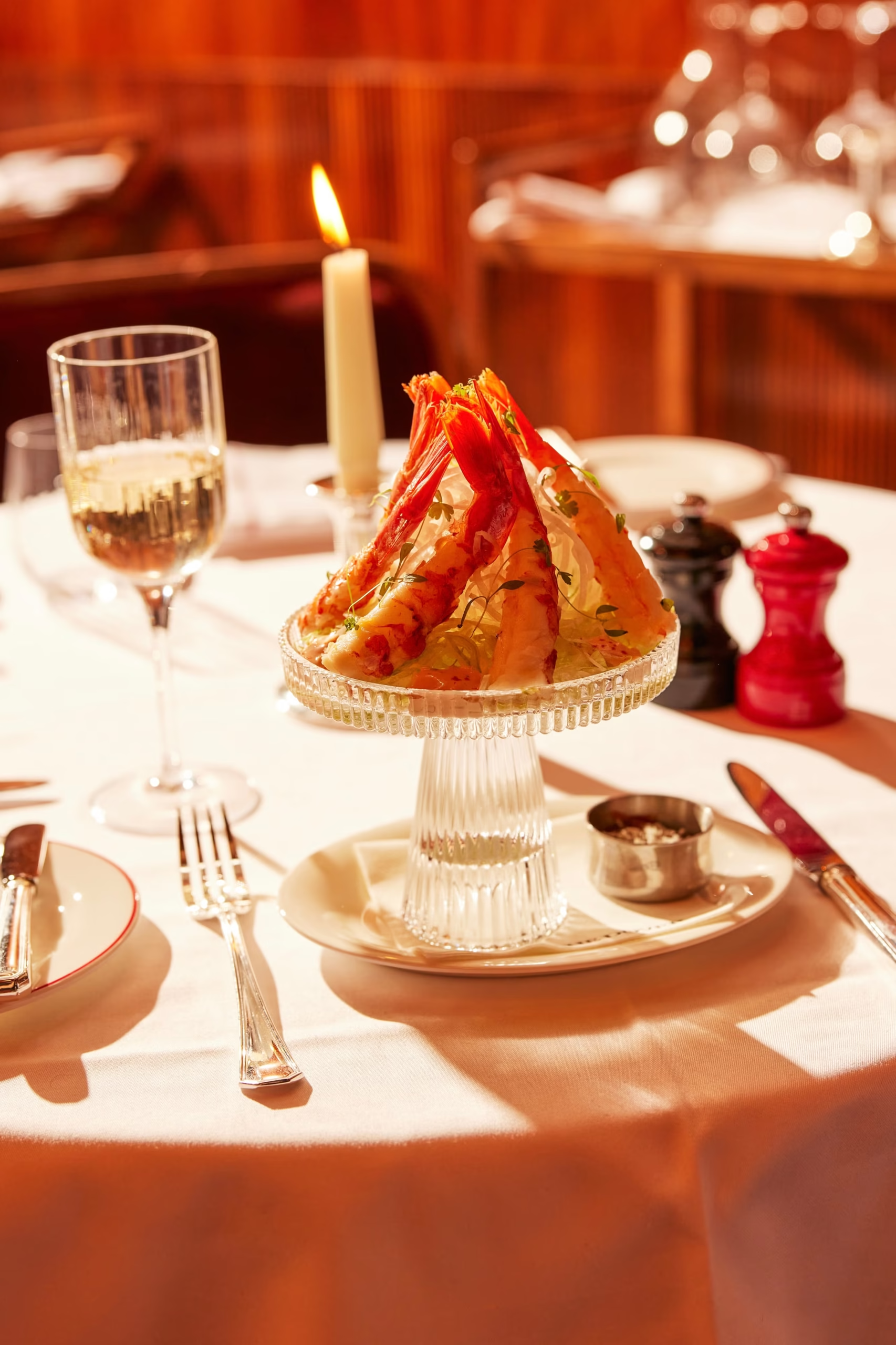
- Immersive Dining: Luxury dining in London is emphasizing experiences that engage all the senses, with opulent interiors, bespoke lighting, and curated soundtracks enhancing the gastronomic journey.
- The Decline of Small Plates (in some circles): While sharing plates are still popular, some high-end restaurants are pivoting back to the traditional, straightforward format of first courses and mains, offering a more classic, “grown-up” dining structure.
